
Build a Preventive Routine
Your home’s plumbing works quietly in the background, which makes it easy to overlook until something leaks, clogs, breaks, or backs up. By the time visible damage appears, the underlying problem may have been developing for weeks or even months. Water stains, damp cabinets, unusual odors, slow drains, fluctuating pressure, and unexplained increases in water use are all signs that deserve attention.
A year-round maintenance plan helps reduce the chance of sudden failures and gives homeowners more control over repair costs. Preventive care also protects flooring, drywall, cabinets, appliances, and other parts of the home that can be damaged by water. The goal is not to inspect every pipe every day. It is to create a simple, repeatable routine that makes small problems easier to catch.
Different seasons place different demands on a home’s water and waste systems. Winter creates freezing risks, spring can reveal drainage issues, summer may increase water usage, and fall is the best time to prepare outdoor fixtures for colder weather. By matching maintenance tasks to the season, homeowners can protect major equipment, reduce waste, and avoid preventable emergencies.
Inspect Fixtures and Pipes
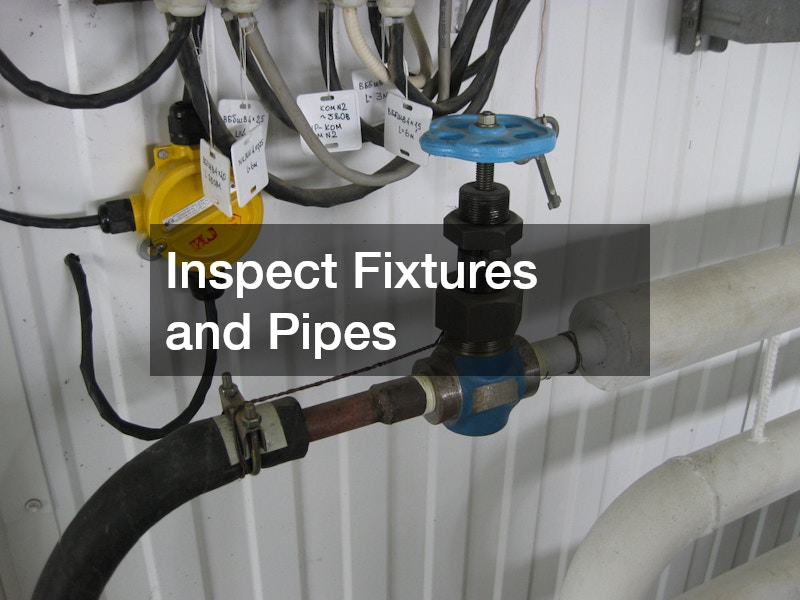
A basic visual inspection is one of the most effective ways to protect a plumbing system. Start by checking under sinks, around toilets, near appliances, and along any visible piping. Look for moisture, discoloration, corrosion, warped materials, or small drops of water. Even a slow leak can cause mold growth, cabinet damage, and higher utility bills if it continues unnoticed.
Test faucets and showerheads for steady pressure and proper flow. Sudden pressure changes may indicate buildup, a failing valve, or a hidden leak. Toilets should flush normally without running afterward. If a toilet continues filling, moves at the base, or produces water around the floor, it should be addressed promptly.
A plumbing company can perform a more detailed inspection when warning signs are difficult to trace. Professionals may use pressure tests, cameras, moisture meters, or other tools to locate hidden problems behind walls or under floors. Early evaluation is often less disruptive than waiting until the issue becomes severe.
Homeowners should also pay attention to recurring symptoms. A drain that clogs repeatedly, a fixture that keeps dripping after adjustments, or a pipe that shows new corrosion may need plumbing repair rather than another temporary fix. Addressing the underlying cause is usually more effective than repeatedly treating the symptom.
Keep a written record of inspections and completed work. Notes about dates, symptoms, replaced parts, and previous leaks can help identify patterns and make future maintenance easier.
Keep Hot Water Equipment Working Efficiently
Hot water equipment requires regular attention because sediment, minerals, pressure changes, and age can reduce performance over time. Homeowners should begin by checking the temperature setting. Excessively high temperatures can increase energy use and create a scalding risk, while settings that are too low may not meet household needs.
Traditional storage units can collect sediment at the bottom of the tank. As buildup increases, the system may work harder, make popping noises, heat unevenly, or deliver less hot water. Periodic flushing can help remove sediment, but the correct method depends on the unit’s condition and design. Older equipment may need professional evaluation before draining.
A water heater service appointment may include checking the pressure-relief valve, inspecting connections, looking for corrosion, testing heating components, and evaluating overall efficiency. These inspections can identify small issues before they result in leaks or complete failure.
Tankless water heaters also require maintenance. Mineral buildup can restrict internal passages and reduce heating performance. Depending on water quality and usage, descaling may be needed periodically. Filters and intake screens should also be checked according to manufacturer guidance.
Homeowners should watch for rusty water, slow recovery, unusual noises, inconsistent temperature, or moisture around the base of the unit. These warning signs can indicate internal wear or a failing component. Regular maintenance can extend equipment life, improve consistency, and reduce the chance of losing hot water unexpectedly.
Monitor Buried Lines and Outdoor Connections
Underground pipes are difficult to inspect directly, but homeowners can still watch for signs of trouble. Wet patches in the yard, unusually green grass, low indoor pressure, muddy soil, or unexplained water use may indicate a leaking service line. These symptoms should be investigated quickly because underground leaks can waste large amounts of water and damage nearby structures.
Tree roots are a common cause of damage, especially near older lines. Roots naturally grow toward moisture and can enter cracks or weak joints. Shifting soil, corrosion, construction activity, freezing conditions, and aging materials can also lead to breaks or restrictions.
Before planting large trees or completing major landscaping, homeowners should identify the location of buried utilities. Deep roots placed too close to water lines can create future problems. Heavy equipment should also be kept away from areas where underground pipes may be shallow.
Experienced plumbers can test pressure, inspect accessible sections, and help determine whether the problem is isolated or widespread. In some cases, a localized repair is enough. In others, repeated leaks may indicate that the line has reached the end of its useful life.
Water line installation may be the better long-term solution when the existing pipe is badly corroded, improperly sized, frequently repaired, or made from outdated material. Although replacement is a larger project, it may improve pressure, reduce leaks, and prevent recurring disruptions.
Outdoor faucets, irrigation connections, and exposed pipes should also be checked throughout the year. Loose fittings, cracked hoses, and damaged valves can allow water to escape or freeze during colder weather.
Maintain Waste Systems
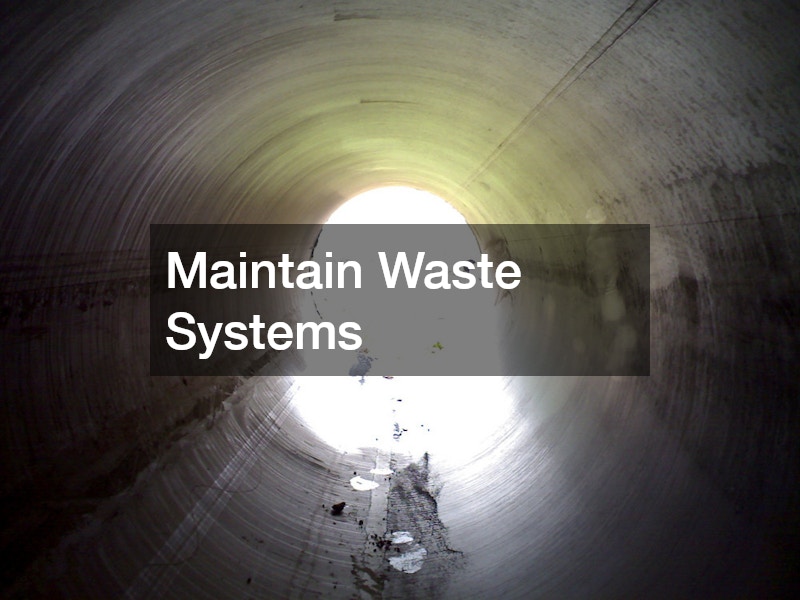
Homes that rely on private waste systems need regular attention because the entire process depends on balanced flow, healthy bacteria, proper drainage, and adequate capacity. Household wastewater enters the system, solids settle, and liquid moves into the surrounding drain field. Problems often develop when too much material enters too quickly or when the system is not maintained.
A septic tank should not be treated like a general disposal container. Grease, wipes, paper towels, hygiene products, chemicals, paint, medications, and other nonbiodegradable materials can cause clogs or interfere with natural treatment processes. Only appropriate waste and toilet paper should enter the system.
Water conservation also matters. Running multiple high-volume appliances at once can overload the system and push wastewater through too quickly. Spacing out laundry, repairing leaking fixtures, and using efficient appliances can help reduce strain.
Regular septic service allows a trained professional to inspect access points, measure buildup, look for damage, and evaluate the condition of the system. Homeowners should keep records of maintenance, previous issues, and the location of underground components.
Warning signs include slow drains throughout the house, sewage odors, gurgling fixtures, standing water near the drain field, or sewage backing up indoors. These problems should not be ignored. Prompt attention can reduce contamination risks and help protect the surrounding property.
Homeowners should also avoid driving, parking, building, or placing heavy materials over the system. Excess weight can damage buried components and compact the soil needed for proper drainage.
Schedule Routine Cleaning Before Backups Develop
Solids naturally accumulate over time, even when a household uses the system correctly. If they are not removed, they can reduce available capacity and move into areas that are not designed to handle them. This can cause clogs, backups, odors, and damage to the drain field.
The appropriate septic pumping schedule depends on household size, system capacity, water use, and the amount of waste generated. Larger households or smaller systems may require more frequent attention. A professional can evaluate actual buildup instead of relying only on a general calendar estimate.
During an appointment, the technician typically opens the access point, removes liquid and solids, checks the condition of the tank, and may inspect baffles or filters. Homeowners should ask for a clear explanation of any visible damage or maintenance concerns.
Routine septic service can also identify issues that are easy to miss from inside the home. Cracks, deteriorated covers, blocked filters, or signs of drain-field stress may be found before they cause a major failure.
Do not wait for sewage to back up before scheduling maintenance. Emergency pumping may remove immediate waste, but it does not always solve structural problems or restore a damaged drain field. Preventive scheduling is safer, cleaner, and usually less disruptive.
Keep maintenance vehicles away from sensitive parts of the property unless directed by the technician. Knowing the location of lids and access points can make appointments faster and reduce unnecessary digging.
Improve Water Quality and Reduce Mineral Damage
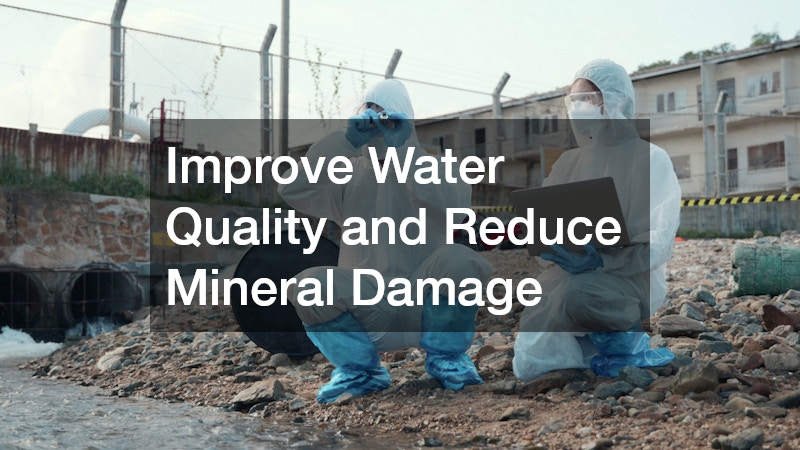
Water quality affects more than taste and appearance. Minerals, sediment, iron, chlorine, and other substances can influence the performance of fixtures, appliances, and pipes. Hard water can leave scale on faucets, reduce soap effectiveness, clog aerators, and create buildup inside household equipment.
Professional water filter services can help determine which treatment approach matches the actual water supply. A basic sediment filter may be useful for visible particles, while other systems may target odors, minerals, contaminants, or specific chemical concerns. Testing should guide the decision rather than assumptions.
Whole-house systems treat water before it reaches most fixtures. Point-of-use systems focus on a specific location, such as a kitchen sink. Water softeners are designed primarily to reduce hardness, while filtration systems may address different issues. Homeowners should understand the purpose of each system before selecting one.
Cleaner water can help protect water heaters by reducing mineral accumulation inside tanks and internal passages. Lower buildup may support more consistent performance and reduce maintenance demands. However, filters and treatment equipment also require routine care. Cartridges, media, and components must be replaced or serviced according to the manufacturer’s schedule.
Watch for changes in taste, odor, staining, cloudiness, or scale. Sudden changes may indicate a problem with the water source, treatment equipment, or plumbing materials. Homeowners using private wells should also follow appropriate testing schedules based on local guidance.
A properly selected treatment system can improve water quality while helping fixtures and appliances operate more efficiently.
Use Seasonal Checklists to Prevent Weather Damage
Spring is a good time to inspect outdoor faucets, hoses, irrigation connections, and exposed piping. Look for cracks or leaks caused by winter freezing. Test sump pumps if the home has one, especially before periods of heavy rain. Clear debris from outdoor drains and make sure water flows away from the foundation.
During summer, increased water use can place additional stress on the system. Monitor irrigation schedules, inspect hose connections, and watch for pressure changes. Homes used for travel or seasonal occupancy should have a plan for shutting off water when left vacant for long periods.
Fall is the time to disconnect hoses, drain exterior lines, close interior shutoff valves for outdoor faucets when available, and insulate vulnerable pipes. Gutters and drainage areas should also be cleared so water does not collect near the foundation.
Winter requires extra attention during freezing temperatures. Open cabinet doors near vulnerable pipes, maintain indoor heat, and allow limited flow when necessary in high-risk areas. If a pipe freezes, shut off the water before attempting any safe thawing method.
Some problems can be handled with simple maintenance, but repeated leaks, damaged valves, or hidden pipe issues may require plumbing repair. Temporary patches are not always reliable, especially when freezing, pressure, or corrosion is involved.
Homeowners should call plumbers when water is spreading, a main line may be damaged, sewage is backing up, pressure drops suddenly, or the source of a leak cannot be identified. Professional help can prevent further damage and reduce safety risks.
Protect the Home With Consistent Attention
A strong maintenance plan does not need to be complicated. It requires regular observation, seasonal preparation, and prompt action when something changes. Small leaks, slow drains, unusual sounds, odors, and pressure problems should be investigated before they become emergencies.
Keeping written records can make year-round care easier. Note inspection dates, maintenance appointments, replaced parts, and recurring issues. These records can help homeowners recognize patterns and provide useful information during future service visits.
Preventive care also protects more than the pipes themselves. It can reduce damage to walls, floors, cabinets, foundations, landscaping, and household equipment. Regular attention helps major systems operate more efficiently and gives homeowners time to plan for replacements instead of reacting to sudden failure.
The best approach is to combine simple homeowner checks with qualified professional evaluations when needed. A few minutes of observation each month, along with seasonal preparation, can prevent significant disruption. By staying consistent and responding early, homeowners can protect their property, reduce waste, and keep essential systems working throughout the year.