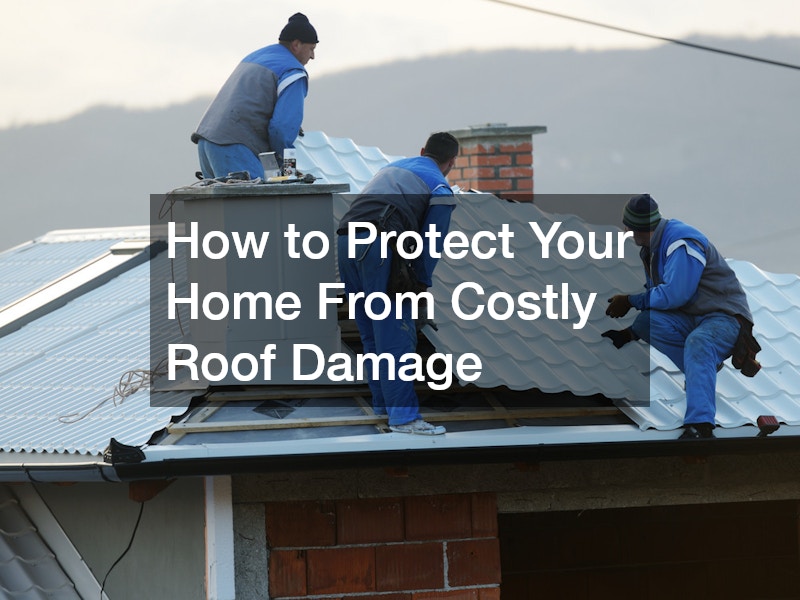
Why Preventive Roof Care Matters More Than Most Homeowners Realize
A roof is one of the most important structural components of any home, yet it is often ignored until serious problems appear. Many homeowners do not think about their roof until they notice a leak, missing shingles, water stains, or storm damage. Unfortunately, waiting too long to address roofing issues can lead to expensive repairs, interior water damage, mold growth, insulation problems, and even structural deterioration.
Protecting your home from costly roof damage requires more than responding to emergencies. Preventive maintenance, regular inspections, proper drainage, and quick attention to small problems all play a major role in extending the lifespan of a roofing system. Even minor issues that seem harmless can quickly worsen when moisture, heat, wind, or debris are involved.
Weather exposure is one of the biggest threats to roofing systems. Heavy rain, hail, wind, snow, ice, and prolonged sunlight gradually weaken roofing materials over time. Seasonal temperature changes also create expansion and contraction that can loosen flashing, crack shingles, and create openings where water enters the home.
The good news is that homeowners can significantly reduce the risk of major roof damage by staying proactive. Understanding the warning signs of roofing problems and investing in preventive care helps protect both the home and the homeowner’s budget.
With the right strategies, homeowners can reduce repair costs, improve energy efficiency, and avoid unnecessary stress caused by unexpected roofing emergencies.
Inspect Your Roof Consistently Throughout the Year
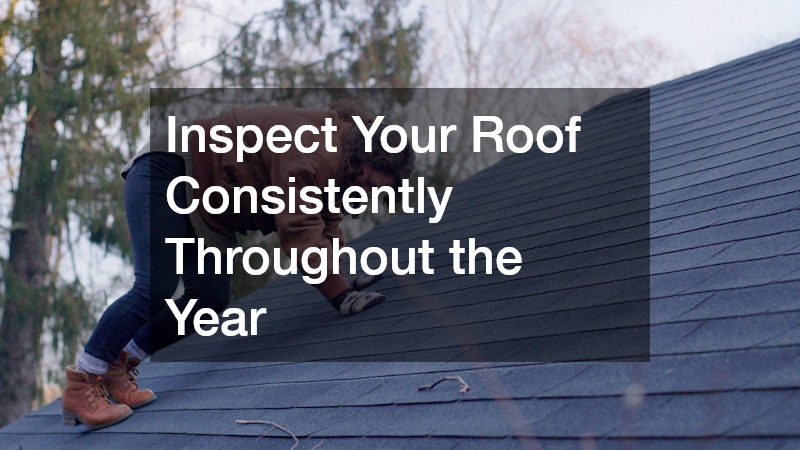
One of the most effective ways to prevent expensive roof damage is conducting regular inspections. Many roofing problems begin small and remain hidden until moisture reaches the interior of the home. By the time visible signs appear indoors, the damage is often much more extensive than homeowners realize.
Routine inspections allow homeowners to identify issues early before they escalate into major structural problems. Experts generally recommend inspecting the roof at least twice each year, typically during the spring and fall. Additional inspections should also occur after severe weather events such as hailstorms, hurricanes, or heavy windstorms.
Homeowners should look for missing shingles, cracked flashing, loose materials, sagging sections, clogged valleys, and signs of standing water. Indoors, warning signs may include ceiling stains, peeling paint, musty odors, or attic moisture.
Even homeowners who feel comfortable performing visual checks from the ground should still schedule professional inspections periodically. Roofing professionals can safely identify hidden issues that are difficult to detect without experience.
Many contractors provide a detailed roof estimate that outlines current damage, potential problem areas, and recommended repairs. These inspections often help homeowners prioritize maintenance before problems become emergencies.
Experienced roofers also understand how weather patterns, aging materials, and ventilation issues affect long-term roof performance. Their expertise allows them to identify weak points homeowners may overlook.
Regular inspections create opportunities to address small issues early, helping homeowners avoid much larger repair costs later.
Keep Water Moving Away From the Roof Properly
Water management is one of the most important aspects of protecting a roof. Even high-quality roofing materials can deteriorate quickly when water is allowed to pool, back up, or seep beneath shingles.
Gutters and downspouts play a critical role in directing water safely away from the roof and foundation. When drainage systems become clogged with leaves, dirt, or debris, water may overflow onto roofing materials, siding, fascia boards, and landscaping.
Overflowing water often creates hidden damage beneath shingles and along roof edges. Over time, trapped moisture can rot wood decking, weaken structural supports, and encourage mold growth.
Regular gutter cleaning is essential, particularly during the fall when leaves accumulate rapidly. Homes surrounded by mature trees may require cleaning several times each year to maintain proper drainage.
Many homeowners install gutter guards to reduce debris buildup and minimize maintenance needs. These systems help keep leaves and larger debris out of gutters while still allowing water to flow effectively.
Upgrading drainage systems can also improve long-term protection. Professional seamless gutter services provide customized gutter systems designed to reduce leaks and improve drainage efficiency. Unlike traditional sectional gutters, seamless systems contain fewer joints where leaks commonly develop.
Properly sized downspouts are equally important. Inadequate drainage capacity can cause overflow during heavy rainstorms, especially in regions with intense seasonal rainfall.
Homeowners should also check for signs of water pooling near the foundation. Poor drainage around the home can create additional structural concerns that extend beyond the roof itself.
Managing water effectively is one of the simplest yet most powerful ways to protect roofing systems from premature deterioration.
Repair Minor Damage Before It Becomes Severe
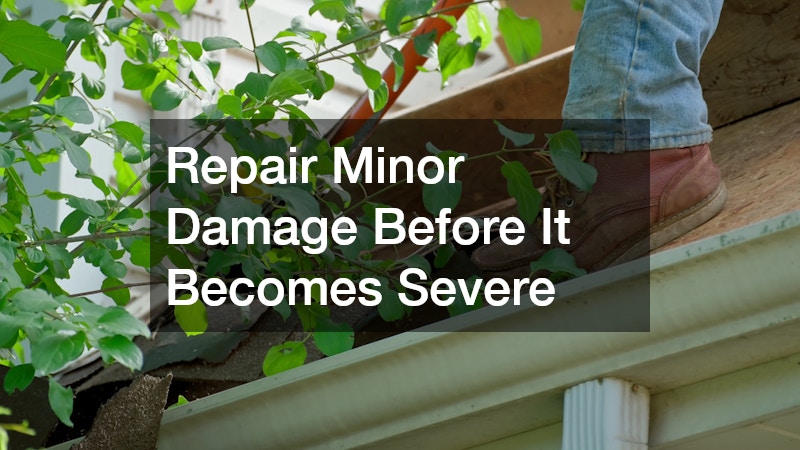
Small roofing issues rarely remain small for long. A missing shingle, loose flashing, or tiny leak may seem minor initially, but exposure to moisture and weather can rapidly worsen the damage.
One of the most common mistakes homeowners make is delaying repairs in hopes that the problem will not worsen. Unfortunately, roofing systems are highly interconnected, meaning damage in one area often spreads to surrounding materials quickly.
Moisture intrusion is especially dangerous because water can travel far from the original entry point before becoming visible inside the home. By the time stains appear on ceilings or walls, underlying decking and insulation may already be compromised.
Homeowners should pay close attention to warning signs such as damp attic insulation, mold growth, peeling paint, warped ceilings, or musty odors. These symptoms often indicate hidden roofing leaks.
Prompt roof repairs can prevent small problems from turning into extensive restoration projects. Addressing issues early is almost always less expensive than waiting until structural damage develops.
Professional repairs are particularly important after storms. Wind damage, hail impacts, and flying debris can weaken roofing materials even when damage is not immediately obvious from the ground.
Ignoring repeated minor repairs can eventually lead to the need for full roof replacement. When roofing systems deteriorate extensively, patchwork repairs may no longer provide reliable protection.
Staying proactive with maintenance and repairs helps homeowners maximize the lifespan of their roofing systems while minimizing overall costs.
Work With Qualified Professionals You Can Trust
Choosing the right roofing professional is one of the most important decisions homeowners make when protecting their property. Poor workmanship can create serious long-term issues, even when high-quality materials are used.
Before hiring contractors, homeowners should verify licensing, insurance coverage, certifications, and references. Reputable companies should willingly provide proof of credentials and examples of previous work.
Experience matters significantly in roofing projects. Contractors familiar with local climate conditions and regional building codes are better equipped to recommend effective solutions.
Homeowners should also request detailed written estimates that clearly explain labor, materials, timelines, warranties, and payment expectations. Vague estimates can lead to misunderstandings and unexpected expenses later.
Reliable roofing contractors will typically conduct thorough inspections and explain findings carefully before recommending repairs or replacements. They should also answer questions clearly without using high-pressure sales tactics.
Choosing an established roofing company often provides additional peace of mind because larger companies may offer stronger warranties, dedicated service teams, and long-term customer support.
Homeowners should also be cautious after major storms when temporary or out-of-town contractors aggressively solicit business. Unfortunately, storm-chasing contractors sometimes perform rushed or low-quality work before leaving the area.
Building a relationship with trustworthy professionals makes ongoing roof maintenance far easier and more reliable over time.
Improve Ventilation and Attic Conditions
Many homeowners do not realize that attic conditions directly affect roof performance. Poor ventilation and insulation can trap heat and moisture inside the attic, creating conditions that accelerate roof deterioration.
During hot weather, excessive attic heat can cause shingles to age prematurely. Constant heat exposure dries out roofing materials, making them more brittle and vulnerable to cracking.
Moisture buildup creates additional concerns. Warm, humid air trapped in the attic may lead to mold growth, wood rot, insulation damage, and warped roof decking.
Balanced ventilation allows fresh air to circulate properly through intake and exhaust vents. This airflow helps regulate temperature and remove excess moisture from the attic space.
Signs of poor ventilation may include unusually high energy bills, excessive attic heat, mold growth, condensation, or ice dam formation during winter.
Proper insulation is equally important because it helps maintain stable indoor temperatures while reducing strain on roofing materials. Inadequate insulation often allows warm indoor air to escape into the attic, increasing moisture accumulation and temperature fluctuations.
Homeowners planning roofing upgrades should consider attic improvements as part of the overall project. Ventilation upgrades often improve both roof longevity and energy efficiency simultaneously.
Professional inspections can help determine whether current ventilation systems provide adequate airflow for the size and layout of the home.
Improving attic conditions protects the entire roofing system while creating a more comfortable and energy-efficient living environment.
Prepare for Seasonal Weather Changes Proactively
Every season presents unique challenges for roofing systems. Preparing ahead of time helps homeowners reduce the likelihood of weather-related damage throughout the year.
Summer heat and UV exposure gradually weaken roofing materials over time. High temperatures can cause shingles to expand, contract, and deteriorate more rapidly. Intense sunlight may also dry out sealants and adhesives.
Before summer arrives, homeowners should inspect for loose shingles, damaged flashing, and signs of heat-related wear. Trimming overhanging branches can also reduce debris accumulation and minimize storm-related damage.
Autumn is one of the most important seasons for roof maintenance. Falling leaves frequently clog gutters and trap moisture against roofing materials. Clearing debris before winter helps prevent drainage issues and ice dam formation later.
Winter weather creates additional risks in colder climates. Snow accumulation, freezing temperatures, and repeated freeze-thaw cycles place significant stress on roofing systems.
Ice dams are particularly dangerous because they trap melting snow on the roof, allowing water to seep beneath shingles. Proper insulation and ventilation help reduce this risk by maintaining more consistent roof temperatures.
Spring inspections are equally valuable because they allow homeowners to identify damage caused by winter storms before heavy spring rains arrive.
Seasonal preparation helps homeowners stay ahead of weather-related problems instead of reacting after damage occurs.
Recognize When a Roof Has Reached the End of Its Lifespan
Even well-maintained roofs eventually wear out. Understanding when repairs are no longer practical helps homeowners plan ahead financially and avoid repeated emergency problems.
Several warning signs may indicate that a roof is nearing the end of its usable lifespan. These include widespread shingle curling, frequent leaks, sagging areas, granule loss, cracked flashing, and repeated repair needs.
Roof age is another important factor. Asphalt shingles typically last between 20 and 30 years depending on material quality, climate conditions, and maintenance history. Other roofing materials may last longer but still require periodic evaluation.
Homeowners should also consider whether recurring repair costs are beginning to outweigh the benefits of keeping the existing roof. Multiple repairs within a short period often indicate broader system deterioration.
Planning ahead financially for major roofing projects reduces stress and prevents rushed decisions during emergencies. Setting aside savings gradually can make future upgrades more manageable.
Working with a professional residential roofing service helps homeowners evaluate the current condition of the roof and determine whether repairs or replacement provide better long-term value.
Many companies also offer ongoing roofing services that include inspections, maintenance programs, emergency repairs, and replacement planning. These services help homeowners monitor roof performance more consistently over time.
Understanding the condition and remaining lifespan of a roof allows homeowners to make smarter financial and maintenance decisions before severe problems develop.
Long-Term Protection Starts With Consistent Maintenance
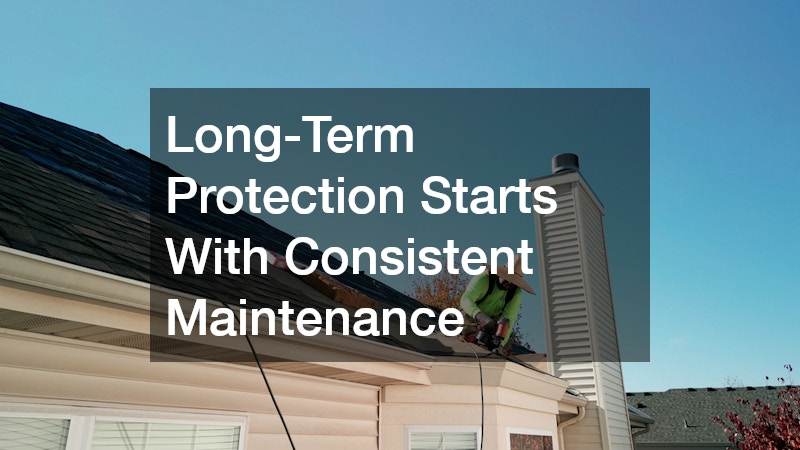
Protecting a home from costly roof damage requires a proactive mindset rather than a reactive one. Small maintenance efforts performed consistently over time often prevent the major structural issues that lead to expensive repairs and stressful emergencies.
Regular inspections, proper drainage management, timely repairs, attic ventilation improvements, and seasonal preparation all work together to extend roof lifespan and improve overall home protection. Homeowners who stay attentive to warning signs are far more likely to catch problems before they escalate.
Working with experienced professionals also plays a critical role in maintaining roofing systems properly. Reliable inspections, quality workmanship, and preventive maintenance plans help homeowners make informed decisions about their property.
Although roofing systems naturally age over time, thoughtful care can significantly delay deterioration and reduce long-term costs. Preventive maintenance not only protects the roof itself but also safeguards insulation, ceilings, walls, flooring, and the structural integrity of the home.
By taking preventive action today, homeowners can improve safety, reduce repair expenses, and maintain greater peace of mind for years to come.