
Summer can be both exciting and challenging for homeowners. While it brings longer days, vacations, and outdoor activities, it also brings intense heat that can make staying indoors uncomfortable. The warm weather encourages trips to the beach, barbecues in the backyard, and leisurely evenings on the porch. However, all that sunshine and heat can quickly become uncomfortable when it penetrates the home. As temperatures rise, indoor spaces can feel stifling, making everyday activities like cooking, working, or relaxing on the couch less enjoyable. Without proper preparation, even the most well-loved homes can turn into hot, stuffy environments, leaving residents scrambling for ways to stay cool.
Many households struggle with soaring indoor temperatures, rising energy bills, and the constant stress of keeping cooling systems running efficiently. Preparing your home ahead of the season is not only about comfort — it’s also about protecting your home’s systems and avoiding costly repairs.
Taking a proactive approach to summer readiness ensures you’re not scrambling when the heat hits its peak. From improving airflow and sealing leaks to evaluating home systems and upgrading infrastructure, there are several ways to make your home a cool sanctuary. This article will walk you through smart, actionable steps that keep you comfortable while saving energy and money. Each strategy focuses on practical implementation, so you can start preparing your home immediately.
1. Evaluate Your Home’s Cooling Performance Before Temperatures Spike
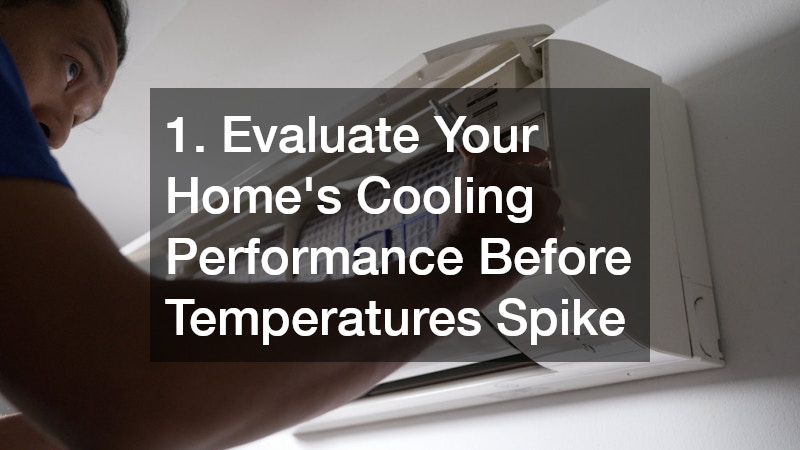
Before summer fully arrives, it’s essential to assess the performance of your home’s cooling system. Many homeowners don’t realize that an underperforming system not only struggles to keep the house comfortable but also consumes more energy, leading to higher utility bills. Start by inspecting your system for basic issues: uneven cooling across rooms, strange noises, or unusual odors can all signal problems. Even if your system is running, it may not be operating efficiently. A comprehensive preseason check ensures you identify potential problems before they escalate.
Scheduling a professional inspection is one of the smartest steps you can take. A licensed HVAC contractor can evaluate the condition of your system, recommend improvements, and ensure it’s ready for the summer load. In addition to professional checks, homeowners can perform simple maintenance tasks themselves: replace or clean filters, check thermostat calibration, and remove debris from outdoor units. Regular checks like these reduce strain on your system, prolong its lifespan, and keep your home cooler during the hottest months.
2. Improve Airflow Throughout the House for More Consistent Comfort
Proper airflow is often overlooked, yet it’s a critical component of indoor comfort. When air circulation is restricted, even a functioning cooling system may fail to evenly cool your home. Blocked vents, closed interior doors, or poorly designed duct layouts can all contribute to stagnant air pockets, making some rooms hotter than others. Addressing airflow issues not only improves comfort but also reduces energy consumption because your cooling system doesn’t have to work as hard.
To enhance airflow, start with simple adjustments: move furniture away from vents, use ceiling fans to circulate air, and consider opening doors strategically to encourage natural flow. Sealing duct leaks is another highly effective way to ensure that cooled air reaches its intended destination. In some cases, consulting local HVAC contractors for a professional airflow analysis can identify more complex problems, such as duct system inefficiencies or outdated layouts. Additionally, some homeowners may benefit from a new hvac install, particularly if the current system is undersized or outdated, ensuring more consistent comfort across the home.
3. Use Window Treatments Strategically to Reduce Heat Gain
Sunlight streaming through windows can dramatically increase indoor temperatures, especially in south- and west-facing rooms. One of the easiest and most cost-effective ways to mitigate this is by using window treatments strategically. Options include blackout curtains, reflective blinds, or solar window films that reduce heat gain without blocking natural light. Timing is critical; closing shades during peak sun hours can prevent excessive heat buildup, while opening them in the early morning or evening can help cool your home naturally.
Investing in high-quality window treatments is a long-term solution to maintaining comfort without over-relying on mechanical cooling. Homeowners can combine these treatments with proper ventilation strategies, such as opening windows in the early morning or late evening, to enhance natural airflow. This combination reduces the strain on your cooling system, lowers energy bills, and maintains a consistently comfortable indoor environment, even during prolonged heat waves.
4. Seal Air Leaks That Let Hot Air Inside
Even the most efficient cooling system can be undermined by air leaks around your home. Gaps around windows, doors, attic hatches, and even electrical outlets can allow hot air to infiltrate, making your air conditioner work harder. Identifying and sealing these leaks is a crucial step in preparing your home for summer. The process starts with a visual inspection—look for light coming through cracks or drafts on windy days. Simple tests like using incense smoke near potential leak areas can also help detect air infiltration.
Homeowners can seal small leaks with weatherstripping, caulking, or door sweeps. These measures are cost-effective and straightforward for a DIY project. For larger projects, such as structural gaps or poorly sealed insulation, hiring a local general contractor ensures the work is done safely and effectively. Sealing leaks not only keeps your home cooler but also increases energy efficiency and reduces wear on your air conditioning system, which ultimately saves money on utility bills and prevents premature system fatigue.
5. Know the Early Warning Signs of Cooling System Problems
Many homeowners only call for help after their cooling system breaks down during a heatwave, which can be both expensive and inconvenient. Recognizing early warning signs is crucial to avoiding emergencies. Common indicators of system issues include short cycling (turning on and off frequently), warm air coming from vents, refrigerant leaks, or sudden spikes in energy costs. Ignoring these signs can lead to more significant problems, requiring expensive repairs or even a full system replacement.
Professional intervention can prevent minor issues from becoming major headaches. HV AC repair services can diagnose underlying problems that may not be apparent to the untrained eye, ensuring your system operates at peak efficiency. Sometimes, even if the system isn’t broken, it may benefit from ac repairs to restore optimal performance. By addressing these early warning signs, homeowners can maintain comfort, avoid emergency service calls, and extend the lifespan of their cooling systems.
6. Optimize Your Thermostat for Comfort and Energy Savings
A well-managed thermostat is one of the simplest ways to enhance comfort and reduce energy costs. Many homeowners overlook the fact that thermostat settings can significantly influence indoor temperatures and energy usage. Maintaining recommended settings — typically around 75 to 78°F during the day — can strike a balance between comfort and efficiency. Programmable and smart thermostats allow homeowners to create cooling schedules that adjust automatically based on occupancy and daily routines.
Zoning strategies, where different areas of a home are cooled separately, can also maximize comfort and reduce wasted energy. By tailoring temperatures to specific rooms or times of day, homeowners reduce strain on their systems while keeping living spaces comfortable. Smart thermostat technology can even track energy usage, alerting you to patterns that may indicate inefficiency or the need for maintenance. Optimizing your thermostat is a low-cost, high-impact step in summer preparation.
7. Reduce Heat From Appliances and Lighting

While your air conditioner works to keep indoor temperatures manageable, heat generated by appliances and lighting can make the job harder. Ovens, dryers, dishwashers, and even traditional incandescent bulbs produce significant heat, contributing to indoor discomfort. Minimizing the use of these heat sources during peak daytime hours can help maintain cooler conditions indoors. For instance, cooking outside on a grill or running dishwashers and laundry machines in the early morning or late evening reduces indoor heat buildup.
Switching to energy-efficient appliances and LED lighting can further reduce heat output and energy consumption. These changes not only keep your home cooler but also reduce the likelihood of needing frequent ac repair service or additional hvac repair services during the summer. By strategically managing appliance use and replacing high-heat devices with modern alternatives, homeowners can maintain comfort without over-reliance on their cooling systems.
8. Upgrade Your Roof’s Heat Resistance
Your roof plays a critical role in regulating indoor temperatures. A roof in poor condition can trap heat, making the upper levels of your home unbearably warm and forcing your cooling system to work harder. Signs that a roof replacement may be necessary include aging or damaged shingles, poor attic ventilation, or noticeable heat buildup in upper floors. Investing in a cool roof or reflective coatings can significantly reduce heat absorption, improving comfort and energy efficiency.
Working with a professional roofing contractor ensures that the installation or replacement is done correctly and adheres to building codes. Upgrading your roof may seem costly upfront, but it’s a long-term investment that reduces energy bills, improves indoor comfort, and protects the home from the added stress of extreme temperatures. By addressing roof issues before summer, you can prevent heat-related discomfort and expensive system overwork.
9. Improve Attic Ventilation to Prevent Heat Traps
An often-overlooked aspect of summer preparedness is attic ventilation. Trapped heat in the attic can radiate into living spaces, dramatically increasing indoor temperatures. Proper ventilation is critical to reducing heat accumulation and ensuring your home stays cool. Key components include ridge vents, soffit vents, and attic fans, which work together to allow hot air to escape and cooler air to circulate.
Homeowners can perform basic inspections to check for blockages, damaged vents, or insufficient airflow, but major improvements often require professional assistance. Consulting local HVAC contractors or a roofing contractor ensures ventilation upgrades are correctly implemented, maximizing energy efficiency and comfort. If your house is old, it also may not have the modern infrastructure that houses nowadays have. Speaking with a professional can result in an assessment of whether upgraded infrastructure is possible. By addressing attic heat, homeowners reduce strain on their air conditioning systems and maintain a more consistent indoor temperature, even during prolonged heat waves.
10. Plan Preventive Maintenance Before the Hottest Months

Preventative maintenance is the cornerstone of summer readiness. Regular service keeps cooling systems running efficiently and helps avoid costly emergency repairs during the heat of the season. Key tasks include replacing filters, cleaning coils, checking refrigerant levels, and inspecting electrical connections. These steps ensure your system operates optimally, improving comfort and extending the lifespan of your equipment.
Professional service providers often recommend upgrades or hvac install options if your current system is nearing the end of its useful life or underperforming. Scheduling AC repair service early in the season prevents delays caused by peak demand, ensuring your home remains cool and comfortable throughout summer. Preventative maintenance is a proactive strategy that reduces stress, saves money, and allows homeowners to enjoy the season without worrying about system failures.
Beating the summer heat at home requires a combination of smart planning, efficient systems, and proactive maintenance. From improving airflow and sealing leaks to upgrading roofs and optimizing thermostats, each step contributes to a cooler, more energy-efficient home. By addressing small issues early and seeking professional help when necessary, homeowners can prevent costly repairs and maintain comfort even during the hottest days of the year.
By taking the time to assess your home, address small issues, and schedule professional maintenance before temperatures soar, you not only protect your home’s systems but also create a more enjoyable living environment. Simple steps — like improving airflow, sealing leaks, and optimizing your thermostat — combine with larger projects, such as roof upgrades or cooling system checks, to make a noticeable difference in comfort and efficiency. The effort you put in now pays off all summer long, ensuring that your home remains a cool, inviting space where you can relax, work, and spend time with loved ones without constantly battling the heat. Summer can be both fun and comfortable when you plan, turning your home into a true sanctuary from the sweltering outdoors.
Preparation is key. Implementing these strategies ensures your home remains a sanctuary from summer heat while lowering energy costs and reducing the risk of system failures. Taking action now means you’ll be ready to enjoy the season comfortably, efficiently, and with peace of mind.