Key Takeaways
- Vodka can be an effective cleaner for glass, mirrors, chrome, stainless steel, and other smooth surfaces when used correctly.
- It helps remove light grease, sticky residue, and mild odors but is not suitable for heavy-duty cleaning tasks.
- Always test vodka on a small, hidden area before using it on delicate materials or specialty finishes.
- Use proper safety precautions by storing it securely, keeping it away from flames, and avoiding mixing it with other cleaners.
- Different cleaning products serve different purposes, so choose the right solution based on the type of dirt or surface.
- Regular cleaning also helps identify small maintenance issues before they develop into larger problems.
- Combining routine cleaning with preventive home care keeps your home looking its best and helps extend the life of household surfaces.
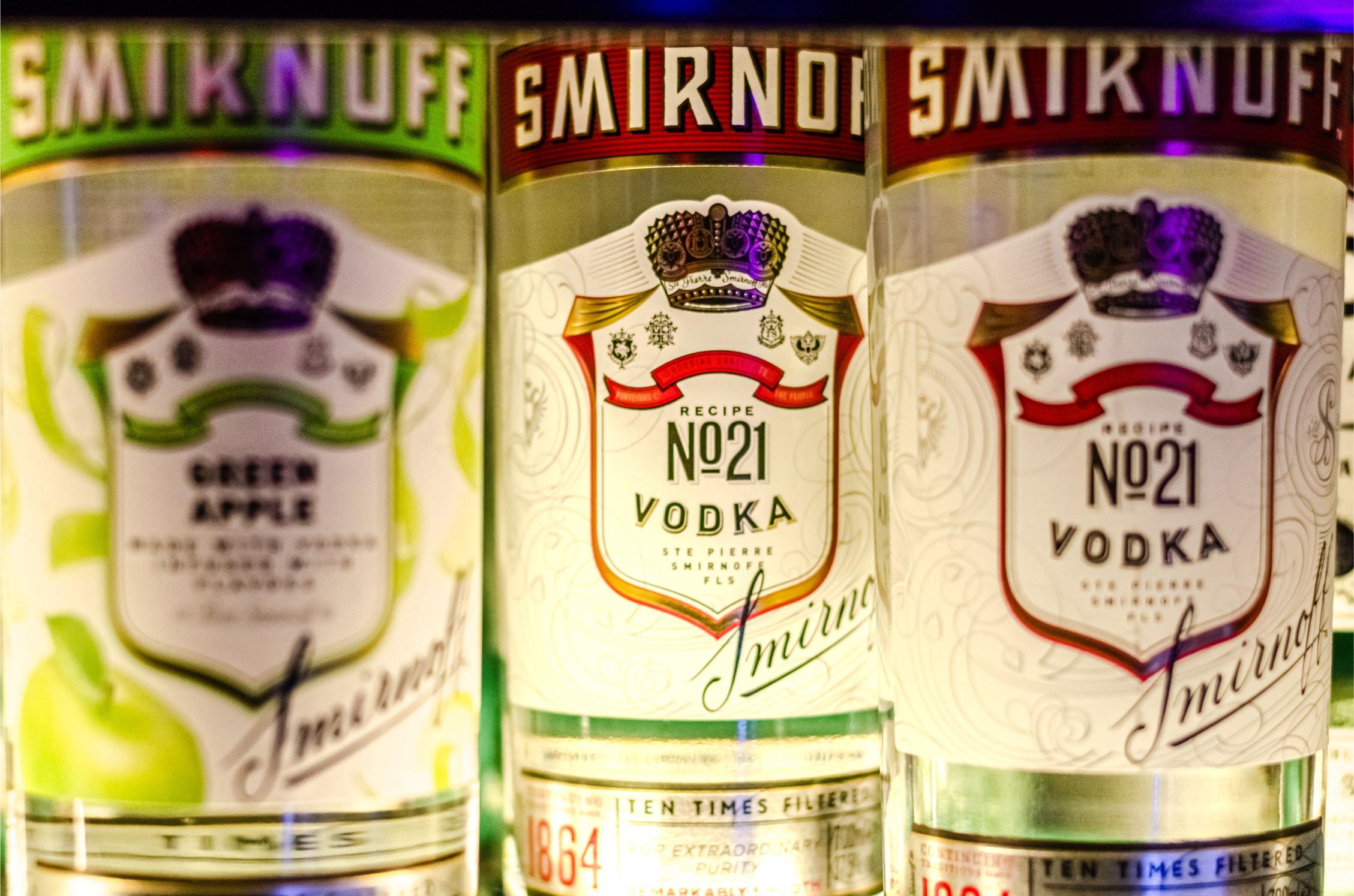
Walk down the cleaning aisle of any home improvement store, and you’ll find dozens of products designed for every surface in your house. Yet many homeowners also look for simple, affordable alternatives that use common household items. One product that often comes up in DIY cleaning discussions is vodka. While it is best known as a beverage, vodka has properties that make some people wonder whether it can double as an effective cleaner.
Because vodka contains alcohol, it can help dissolve certain residues, remove odors, and evaporate quickly without leaving streaks behind. However, it is not a miracle solution that can replace every commercial cleaning product. Understanding where vodka works well—and where it falls short—can help you decide if it’s worth adding to your cleaning routine.
In this guide, we’ll explore the advantages and limitations of cleaning with vodka, discuss the surfaces where it performs best, explain important safety considerations, and compare it to other common household cleaners.
Why Some People Use Vodka for Cleaning
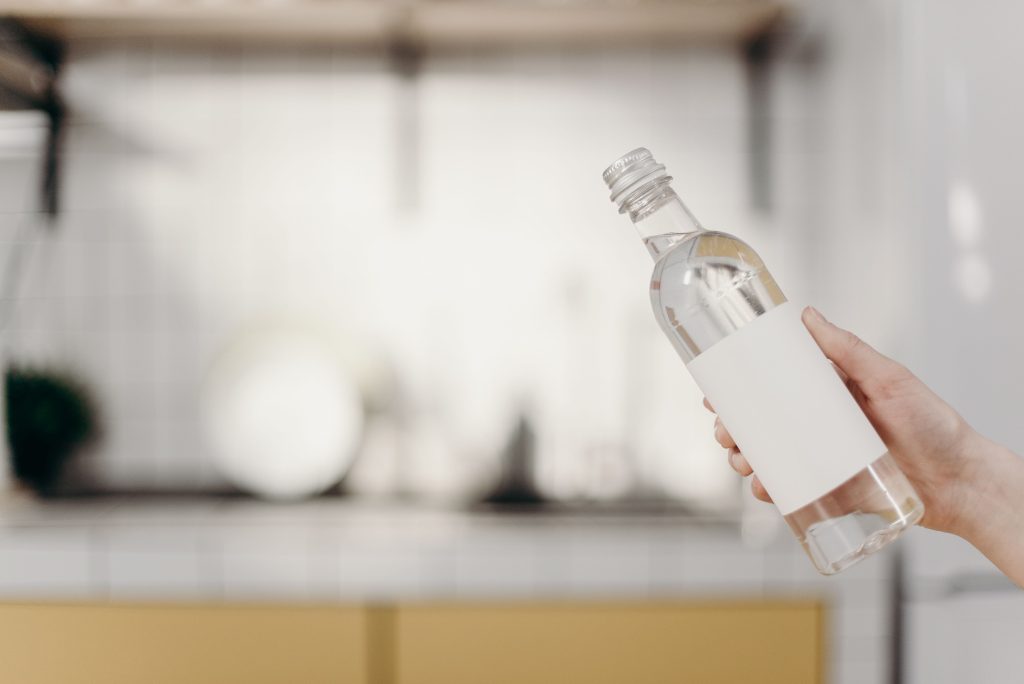
Vodka is primarily made from water and ethanol, with most standard varieties containing around 40% alcohol by volume. Alcohol evaporates quickly and can break down certain oils, sticky residues, and grime, making vodka useful for light household cleaning tasks.
Unlike some harsh chemical cleaners, plain vodka has relatively few added ingredients. It also dries without leaving a noticeable film on many smooth surfaces.
Another reason homeowners experiment with vodka is convenience. If they already have an inexpensive bottle available, they may use it for small cleaning jobs instead of purchasing specialized products.
Still, vodka should be viewed as one cleaning option rather than a universal solution.
Reasons people choose vodka include:
- Quick evaporation
- Low residue
- Simple ingredients
- Mild odor compared to some cleaners
- Readily available
Where Vodka Works Well
Although vodka won’t replace every cleaning product, it performs surprisingly well on several household surfaces.
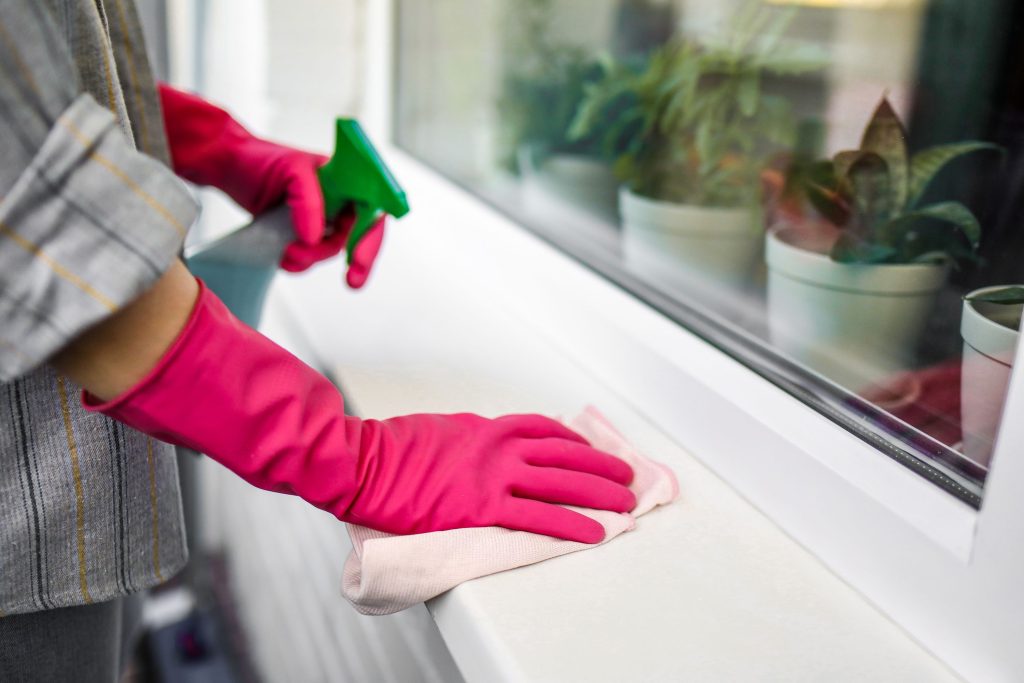
Glass, mirrors, chrome fixtures, and certain stainless steel appliances often benefit from vodka’s fast evaporation. It can also help remove fingerprints and light grease without leaving noticeable streaks.
Some homeowners use vodka to freshen fabrics, eliminate mild odors, or clean decorative glass items. When applied lightly with a microfiber cloth, it can restore shine to many smooth surfaces.
Always test a small hidden area before cleaning valuable materials.
Vodka works well on:
- Mirrors
- Glass
- Chrome
- Stainless steel
- Decorative glass
- Some sealed countertops
Removing Sticky Residue
Adhesive residue left behind by price tags, labels, or tape can be frustrating to remove.
Vodka may help soften certain adhesives, making them easier to wipe away without excessive scraping. Apply a small amount using a cloth, allow it to sit briefly, then gently rub the area until the residue loosens.
For tougher adhesives, specialized adhesive removers may still provide better results.
Patience is important because multiple applications may be necessary.
Common sticky messes include:
- Price tag residue
- Tape adhesive
- Label glue
- Sticker remnants
- Light grease buildup
Freshening Fabrics and Upholstery
Because alcohol evaporates quickly, some people lightly spray vodka onto fabrics to reduce mild odors between cleanings.
Curtains, upholstered furniture, decorative pillows, and some rugs may benefit from this approach when used sparingly. As the alcohol evaporates, it can help reduce certain odor-causing compounds.
However, vodka should never replace proper laundering or deep cleaning when fabrics become heavily soiled.
Always spot-test delicate materials before spraying larger areas.
Items sometimes refreshed with vodka include:
- Curtains
- Upholstery
- Throw pillows
- Area rugs
- Fabric lampshades
Cleaning Bathroom Fixtures
Bathroom fixtures frequently develop fingerprints, soap residue, and water spots.
Vodka can help restore shine to chrome faucets, towel bars, shower handles, and certain sealed fixtures. Spray a small amount onto a microfiber cloth rather than directly onto electrical components or finished surfaces.
Regular cleaning also prevents mineral deposits from becoming more difficult to remove over time.
Using gentle cleaning methods helps preserve fixture finishes.
Bathroom surfaces that may benefit include:
- Faucets
- Shower handles
- Chrome towel bars
- Soap dispensers
- Glass shower doors
What Vodka Cannot Do
While vodka has useful cleaning applications, it also has limitations.
Heavy grease buildup, mold, mildew, soap scum, hard water deposits, and deep stains often require stronger cleaners specifically designed for those problems.
Standard vodka also contains less alcohol than many disinfecting products, meaning it should not automatically be considered an effective disinfectant for high-risk situations.
Understanding these limitations prevents disappointment and encourages proper cleaning practices.
Choosing the right product for each task usually produces the best results.
Vodka is less effective for:
- Heavy grease
- Mold removal
- Mildew
- Mineral deposits
- Oven cleaning
- Tough grout stains
Use Vodka Safely Around the Home
Like many cleaning products, vodka should be used responsibly.
Keep it away from open flames because alcohol is flammable. Store bottles safely out of reach of children and pets, particularly if transferred into spray bottles that could be mistaken for water.
Avoid mixing vodka with unknown chemicals, as combining cleaning products can sometimes create hazardous reactions.
Good ventilation is also recommended when cleaning larger areas.
Safe handling protects both your household and your property.
Safety reminders include:
- Keep away from flames
- Store securely
- Label spray bottles
- Use ventilation
- Never mix unknown cleaners
Compare Vodka to Other Household Cleaners
Many homeowners wonder whether vodka is better than vinegar, rubbing alcohol, or commercial cleaners.
Each product serves a different purpose. Vinegar works well for dissolving mineral deposits but leaves a noticeable smell. Rubbing alcohol typically contains a higher alcohol concentration and is often more suitable for disinfecting certain surfaces.
Commercial cleaners are formulated for specific cleaning challenges such as mold removal, grease cutting, or bathroom disinfecting.
Vodka occupies a middle ground as a mild cleaner for certain everyday tasks.
Comparison highlights:
- Vinegar: good for mineral buildup
- Rubbing alcohol: stronger disinfecting potential
- Commercial cleaners: specialized formulas
- Vodka: light cleaning and odor reduction
Combine Cleaning With Regular Home Care
Routine cleaning goes hand in hand with proper home maintenance. Removing dirt, moisture, and grime regularly helps you notice developing problems before they become expensive repairs.
For example, cleaning windows, fixtures, and bathroom surfaces allows you to spot cracked caulk, loose hardware, water stains, or small leaks early.
Consistent inspections contribute to preventing major home maintenance problems because issues are identified while they’re still relatively inexpensive to fix.
Cleaning isn’t only about appearance—it also supports the long-term health of your home.
Watch for signs such as:
- Water stains
- Cracked caulk
- Rust
- Mold growth
- Loose fixtures
- Small leaks
Focus on High-Priority Areas First
While experimenting with alternative cleaning methods can be useful, remember that some areas of your home deserve greater attention than cosmetic cleaning.
Roofs, gutters, siding, doors, windows, and foundations protect your property from weather damage. Regular inspections and timely repairs are essential for upgrading your home’s first line of defense against moisture, pests, and structural deterioration.
Keeping these protective systems in good condition often provides greater long-term value than focusing solely on interior cleaning projects.
A balanced maintenance routine combines cleanliness with preventive care.
Protective exterior features include:
- Roofing
- Gutters
- Siding
- Exterior doors
- Windows
- Foundation drainage
Tips for Using Vodka Effectively
If you decide to use vodka as part of your cleaning routine, choosing an inexpensive, unflavored variety is usually sufficient. Premium brands offer little additional cleaning benefit.
Use microfiber cloths whenever possible because they trap dirt effectively while reducing streaks. Avoid soaking surfaces unnecessarily, and always wipe away loosened grime rather than allowing it to dry again.
Store your vodka cleaning solution in a clearly labeled spray bottle reserved exclusively for household cleaning.
Using proper techniques improves cleaning performance while reducing waste.
Helpful cleaning tips include:
- Use plain vodka
- Apply with microfiber cloths
- Spot-test first
- Label spray bottles
- Avoid oversaturating surfaces
Final Thoughts
Cleaning with vodka can be a useful addition to your household cleaning routine, but it should not be viewed as a complete replacement for specialized cleaning products. Its alcohol content allows it to remove light grease, fingerprints, adhesive residue, and mild odors while drying quickly on many smooth surfaces.
However, vodka is less effective against heavy grime, mineral deposits, mold, mildew, and situations requiring stronger disinfecting performance. Understanding its strengths and limitations helps you choose the right cleaning solution for each task.
The most effective home care strategy combines routine cleaning with regular inspections and preventive maintenance. Whether you choose vodka, commercial cleaners, or other household products, consistency is what keeps your home looking its best while protecting its long-term condition. By selecting the right cleaner for the right job, you’ll enjoy a cleaner, healthier, and better-maintained home for years to come.