When several home systems begin showing signs of trouble at once, it can feel overwhelming for homeowners trying to determine what deserves immediate attention and what can safely wait. These situations often arise during seasonal transitions, after extreme weather, or as homes age and systems reach similar points in their life cycles. What makes these moments particularly stressful is that issues rarely appear in isolation. A single underlying cause can trigger problems across multiple areas of the home, creating confusion and concern.
Rather than reacting to each issue independently, homeowners benefit from stepping back and assessing patterns. Changes in temperature, moisture levels, structural movement, or electrical demand can affect several systems simultaneously. Recognizing these connections helps homeowners make informed decisions, avoid unnecessary disruption, and reduce the risk of overlooking a more serious root cause.
This guide walks through a logical, system-by-system approach to identifying what to check first when multiple problems surface at the same time. By focusing on safety, function, and interdependence, homeowners can prioritize inspections, ask the right questions, and maintain better control over the situation. Understanding how each system interacts with the others allows for a more strategic response and a clearer path forward.
Evaluating Temperature Control and Indoor Comfort Issues
When indoor comfort suddenly becomes inconsistent, it often signals a broader issue affecting climate regulation throughout the home. Uneven temperatures, unexpected airflow changes, or persistent discomfort can indicate strain within systems responsible for air and heating. These issues may surface alongside other household problems, making it important to assess whether environmental changes are influencing multiple areas at once.
A shift in indoor temperature can affect humidity levels, which in turn impacts structural materials, plumbing performance, and even electrical components. Homeowners may notice condensation, unusual odors, or increased static electricity during these periods. These clues suggest that comfort systems are no longer operating in balance with the home’s overall environment.
It’s also important to consider timing. Comfort-related problems often coincide with seasonal changes, when systems are required to work harder. Monitoring patterns over several days rather than reacting to a single fluctuation provides valuable context. By documenting changes and noting correlations with other issues, homeowners gain a clearer picture of whether indoor comfort disruptions are isolated or part of a larger systemic concern.
Identifying Early Signs of Wastewater System Stress
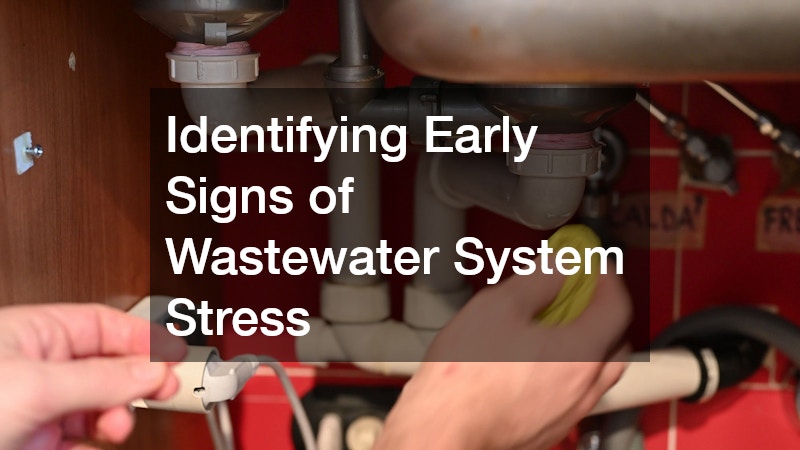
Problems related to wastewater management rarely occur quietly. Slow drainage, unusual smells, or recurring backups may point toward the need for septic tank repairs, especially when other systems are also showing signs of strain. These issues often develop gradually, making early recognition critical to preventing broader household disruption.
Wastewater systems are sensitive to changes in water usage, soil saturation, and ground movement. Heavy rainfall, prolonged dry spells, or nearby construction can all affect performance. When multiple systems act up simultaneously, it’s worth examining whether environmental factors are influencing underground components as well.
Homeowners should observe how drainage behaves across the property, noting whether issues appear localized or widespread. Consistency in symptoms can indicate system-wide stress rather than isolated clogs. Keeping records of maintenance history and recent environmental changes helps provide clarity when determining whether wastewater concerns are contributing to broader household problems.
Assessing Structural Boundaries and Outdoor Indicators
Outdoor structures often reveal early warnings of larger property issues. Leaning posts, loose panels, or misaligned sections may signal the need for fence replacement, particularly if these changes coincide with interior problems. Shifts in fencing can reflect soil movement, drainage problems, or gradual ground settlement affecting the entire property.
Structural boundaries are influenced by moisture levels and temperature changes, both of which also impact foundations and underground utilities. When fences show signs of stress at the same time doors stick or cracks appear indoors, it suggests that external forces may be acting on the home as a whole.
Regular visual inspections of outdoor structures help homeowners identify patterns over time. Comparing changes across seasons provides insight into whether issues are progressing. While fencing problems may seem cosmetic at first, they can serve as early indicators of broader environmental or structural shifts requiring attention.
Reviewing Water Supply and Interior Flow Concerns

When water flow becomes inconsistent or fixtures behave unpredictably, it often prompts homeowners to consider local plumbing repair. These issues may emerge alongside electrical or structural concerns, signaling a potential shared cause such as pressure fluctuations or material degradation.
Changes in water quality, pressure, or noise within pipes can affect multiple areas of the home. Homeowners may notice appliances operating differently or fixtures responding slowly. These symptoms can reflect wear within the plumbing system or external factors influencing supply lines.
Monitoring when and where issues occur helps distinguish between isolated fixture problems and broader system concerns. Observing patterns during peak usage times or after environmental changes provides valuable context. Addressing water flow concerns early helps prevent compounding problems that could affect additional systems.
Inspecting Fuel-Based Appliances and Ventilation
Appliances that rely on combustion require careful observation, particularly when gas fireplaces are involved. Performance changes, unusual odors, or inconsistent ignition can coincide with ventilation or pressure issues elsewhere in the home. These signals warrant prompt attention due to safety considerations.
Fuel-based appliances are sensitive to airflow and pressure balance. When multiple systems experience changes simultaneously, it may indicate that ventilation pathways are compromised or that environmental conditions are affecting combustion efficiency.
Homeowners should take note of how appliances behave under different conditions, such as temperature changes or simultaneous system use. Understanding these patterns helps identify whether issues stem from individual appliances or from broader airflow and pressure dynamics within the home.
Monitoring Access Points and Mechanical Movement

Garage doors are among the most frequently used mechanical systems in a home, making them valuable indicators of broader mechanical stress. When homeowners find themselves contacting a garage door company due to unusual noises, resistance, or alignment issues, it’s worth considering whether other systems are also experiencing strain.
Mechanical movement can be affected by temperature changes, electrical inconsistencies, or structural shifts. If garage doors behave erratically alongside lighting flickers or sticking doors, these issues may share a common cause.
Routine observation of movement, balance, and response time helps homeowners recognize gradual changes before failures occur. Documenting these observations contributes to a clearer understanding of whether mechanical issues are isolated or part of a larger pattern.
Addressing Drainage Patterns and Water Removal
Drainage problems often appear subtly at first, prompting homeowners to consider drain cleaning when water begins to move more slowly than usual. These issues can coincide with plumbing, wastewater, or structural concerns, indicating broader system stress.
Drainage performance is influenced by usage patterns, debris accumulation, and environmental conditions. Heavy rainfall or soil movement can exacerbate existing weaknesses, causing multiple drains to behave differently at the same time.
By noting which drains are affected and under what conditions, homeowners can better understand whether problems are localized or systemic. Early recognition of drainage changes helps prevent cascading issues that may affect other systems.
Evaluating Electrical Stability and Power Distribution

Electrical irregularities can have far-reaching effects across the home. When lights flicker, outlets behave unpredictably, or systems reset unexpectedly, homeowners often seek input from local electricians. These symptoms frequently overlap with issues in other systems that rely on stable power.
Electrical systems respond to load changes, moisture intrusion, and aging components. When multiple systems show signs of trouble simultaneously, it’s important to determine whether power distribution is contributing to the problem.
Observing when electrical issues occur—such as during peak usage or weather events—provides valuable insight. Identifying patterns helps homeowners determine whether electrical factors are influencing other system behaviors.
Electrical behavior can also change subtly over time, making it important to notice small irregularities before they escalate. Homeowners may observe that certain outlets feel warm, breakers trip intermittently, or appliances respond inconsistently during peak usage periods. These warning signs often emerge gradually and can coincide with increased demand from other systems operating simultaneously. Electrical distribution plays a foundational role in modern homes, supporting everything from lighting to climate control. When instability occurs, it can create a ripple effect that impacts other systems dependent on reliable power. Keeping track of when irregularities occur, such as during storms or high-demand periods, helps identify patterns that point toward broader electrical concerns rather than isolated faults.
Examining Central System Performance and Integration
Central systems often serve as the backbone of home functionality. When homeowners begin questioning the reliability of an hvac repair company recommendation, it may be because heating, cooling, or airflow changes are affecting multiple areas at once.
Central systems interact with electrical, structural, and environmental factors. Performance changes can influence humidity, air quality, and energy demand, which in turn affect other systems.
Tracking system behavior over time and noting correlations with other issues helps homeowners identify whether central performance concerns are contributing to broader household disruptions.
Central systems often serve as the connective tissue between multiple household functions, which is why their performance can influence seemingly unrelated areas. Changes in airflow, temperature consistency, or system cycling may alter indoor conditions in ways that affect structural materials, moisture levels, and overall comfort. These shifts can place additional stress on other systems, making issues appear to surface simultaneously. Homeowners should consider how central systems respond during extended operation and whether performance varies by time of day or external conditions. Tracking these changes over time helps distinguish between temporary fluctuations and ongoing performance challenges. Understanding the broader role central systems play encourages a more holistic approach to evaluating household concerns.
Coordinating Professional Input and Long-Term Planning
When multiple systems require attention, homeowners often feel unsure where to start. Consulting a local plumber alongside other professionals can help establish a coordinated approach rather than addressing issues in isolation.
Communication between service providers ensures that solutions align rather than conflict. A coordinated strategy reduces the risk of repeated disruptions and helps identify shared underlying causes.
Planning with a long-term perspective allows homeowners to prioritize stability and functionality. Understanding how systems interact supports smarter decision-making and more effective maintenance over time.
Taking a coordinated approach becomes especially important when multiple professionals are involved. Without clear communication, solutions in one area may unintentionally complicate another. Homeowners benefit from maintaining a central record of observations, timelines, and recommendations so information can be shared consistently across service providers. This shared understanding helps professionals identify overlapping issues and align their efforts effectively. Long-term planning also involves recognizing which systems influence others most directly and addressing those relationships first. By thinking beyond immediate symptoms and focusing on system interaction, homeowners position themselves for more stable outcomes and fewer recurring disruptions. A coordinated strategy supports not only resolution, but also future resilience across the home.
When multiple home systems begin showing problems at the same time, the key is not panic, but perspective. These situations often reflect interconnected factors rather than unrelated failures. By observing patterns, documenting changes, and evaluating systems methodically, homeowners can gain clarity and control.
Approaching the situation strategically helps prevent missed warning signs and unnecessary disruption. Each system provides clues that, when considered together, point toward underlying causes. Recognizing these connections allows homeowners to prioritize safety, functionality, and long-term stability.
Ultimately, a calm and informed response empowers homeowners to navigate complex situations with confidence. By understanding what to check first and how systems interact, homeowners can protect their investment and maintain a comfortable, functional living environment even when challenges arise.
In situations where multiple systems show signs of trouble at once, homeowners benefit most from patience, observation, and thoughtful evaluation rather than rushed decisions. Homes function as interconnected environments, and changes in one area often influence conditions elsewhere in subtle but meaningful ways. Taking the time to document symptoms, note timing patterns, and understand how systems interact provides a clearer foundation for long-term stability. This broader awareness helps homeowners move beyond reacting to individual problems and toward managing their home as an integrated whole. Over time, this mindset encourages better communication with professionals, more informed planning, and fewer surprises. By approaching home maintenance with a systems-based perspective, homeowners can reduce stress, protect functionality, and create a more resilient living environment. Recognizing that simultaneous issues often share common influences empowers homeowners to address concerns strategically, ensuring their home continues to support comfort, safety, and daily life with greater consistency.