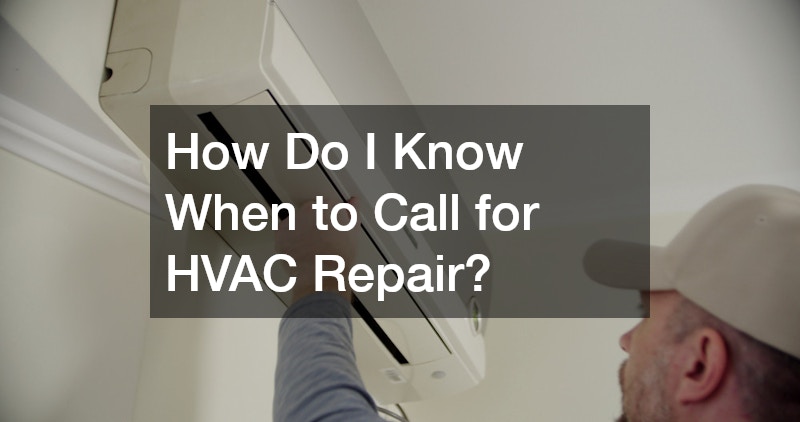
The significance of timely HVAC repairs cannot be overstated. Neglecting necessary maintenance can have far-reaching consequences, such as reduced system efficiency and higher energy bills. Recognizing when professional help is needed can save costs in the long run and ensure a comfortable living environment.
What Are the Signs My HVAC System Needs Repair?
Unusual noises from your HVAC system are often a cause for concern. Sounds like banging, screeching, and rattling are indicative of various underlying issues that can worsen over time. Addressing these noises promptly can prevent further damage and reduce repair costs.
Banging noises may suggest loose or broken components within the system. Screeching sounds could indicate problems with the fan motor or blower, which are critical for the circulation of air. Rattling noises could be a sign of debris trapped within the system or loose parts.
Inconsistent Temperatures
Inconsistent temperatures in different areas of your home can signal an HVAC problem. Erratic heating or cooling may stem from blocked vents or an outdated thermostat. Professional assessment can help identify the root cause and restore consistent comfort.
Blocked vents restrict airflow, leading to uneven heating and cooling across rooms. An outdated or malfunctioning thermostat might fail to accurately regulate temperature settings, causing energy inefficiencies. Regular checks and upgrades can maintain system reliability.
Increased Energy Bills
Unexpectedly high energy bills are often a hidden indication of HVAC inefficiencies. Issues such as dirty filters, clogged ducts, or low refrigerant levels can compel the system to work excessively, driving up costs. Identifying the root cause of inefficiencies is essential for reducing energy bills.
Homeowners are encouraged to monitor energy consumption patterns, catching sudden increases early. Professional HVAC inspections provide insights into potential energy savings and system improvements, ensuring cost-effective and environmentally friendly operations.
How Often Should Routine HVAC Maintenance Be Performed?
Conducting seasonal checks is crucial for maintaining the efficiency of your HVAC system. Each season presents unique challenges that can impact system performance, such as pollen in spring or increased heating demand in winter. Preparing your system for these changes ensures uninterrupted comfort year-round.
Spring and fall are ideal times to schedule maintenance checks to prepare for the peak usage periods of summer and winter. During seasonal inspections, technicians can identify and address potential issues, such as wear and tear from seasonal stresses. This proactive approach prevents unexpected breakdowns during extreme weather conditions.
Professional Inspections
Professional HVAC inspections offer comprehensive evaluations beyond basic maintenance. Technicians have the expertise to detect and diagnose underlying issues that may be invisible to homeowners. Regular inspections offer peace of mind, knowing that your system is operating efficiently.
Establishing a regular inspection schedule with a trusted HVAC company helps maintain system efficiency and performance. Technicians are equipped with specialized tools and knowledge to tackle complex issues, minimizing the risk of unexpected breakdowns. Investing in professional inspections offers long-term savings.
DIY Maintenance Tips
Homeowners can take proactive steps to maintain their HVAC systems between professional visits. Regularly replacing air filters greatly improves system efficiency and air quality. Routine attention to filters and vents empowers homeowners to mitigate minor issues before they escalate.
Ensuring that vents are unblocked and unobstructed is another simple yet effective measure homeowners can take. Proper airflow around outdoor units reduces strain on the system. These tasks require minimal effort and can extend the lifespan of HVAC equipment.
What Are the Most Common HVAC Problems That Require Repair?
Refrigerant leaks significantly impair HVAC system performance, leading to higher energy consumption and reduced efficiency. Signs of leaks include insufficient cooling, hissing noises, or ice formation on refrigerant lines. Timely detection and repairs are crucial to restoring functionality.
Professionals can detect leaks, seal holes, and recharge the system with the appropriate refrigerant levels. Homeowners should rely on expert intervention to ensure compliance with environmental regulations, as refrigerant leaks can impact ozone depletion.
Thermostat Malfunctions
Thermostat malfunctions can cause miscommunication between the HVAC system and the actual temperature needs of a home. A properly functioning thermostat is essential for maintaining desired comfort levels and efficient energy use. Frequent misreadings or unresponsiveness are clear indicators of a malfunction.
Professional technicians can accurately diagnose thermostat issues and recommend suitable solutions. Upgrading to smart thermostats offers features like remote control and energy-saving settings, enhancing both comfort and system efficiency.
Clogged Filters
Clogged filters are a common problem that can greatly hinder HVAC operation. Dirty filters restrict airflow, forcing the system to work harder to circulate air, which can result in decreased efficiency and increased energy costs. Regular filter replacement is a critical maintenance task that prevents these issues.
Homeowners are advised to check and replace filters every three months or as needed, ensuring optimal airflow. Regular attention to filter maintenance enhances the longevity of your HVAC system, contributing to household air quality and efficient operation.
Recognizing the signs that indicate HVAC repair is crucial for avoiding costly breakdowns. Whether it’s unusual noises or increased energy bills, early detection through professional intervention ensures optimal system performance. Regular maintenance, both DIY and professional, plays a pivotal role in sustaining HVAC efficiency.
Investing in good maintenance practices ultimately leads to long-term energy savings and system longevity. By keeping abreast of maintenance needs and recognizing repair indicators, homeowners can enjoy reliable and efficient HVAC operation. This proactive approach preserves system integrity and enhances comfort throughout the year.