
For most homeowners, the monthly utility bill is a recurring source of stress. We often look at rising energy costs as an inevitability—a tax on modern comfort that we simply have to accept. However, a significant portion of the money spent keeping our homes warm in the winter, cool in the summer, and illuminated year-round is actually wasted. It slips through microscopic gaps in window frames, dissipates through uninsulated walls, and evaporates via appliances that are working twice as hard as they should because they lack basic maintenance.
True home efficiency is not achieved by a single, massive renovation or by simply purchasing a few smart gadgets. Instead, it is a continuous baseline of care that preserves the integrity of your property’s structural envelope and mechanical systems. When a system is neglected, it undergoes friction. A friction-filled home requires more fuel, more electricity, and more water to achieve the exact same level of comfort as a well-calibrated property. By shifting your mindset from reactive repairs to proactive optimization, you can drastically reduce your environmental footprint while keeping more money in your bank account.
Optimize Your Climate Control: Advanced HVAC Tuning and Thermostat Strategies

Heating and cooling make up more than half of the average residential energy footprint. Because these systems operate out of sight, tucked away in basements, attics, or exterior utility pads, they are frequently neglected until they stop working entirely. By the time a system breaks down, it has likely been operating at a fraction of its optimal efficiency for months, quietly inflating your power bills.
Maximizing the output of your climate control systems requires a combination of routine owner habits and specialized technical calibration. Airflow is the single most critical factor in this equation. When airflow is restricted, your system must run for longer cycles to reach the temperature set on your thermostat, causing premature wear and tear on sensitive electronic components.
- Execute Regular Filter Rotations: Check your system filters every 30 days. While some high-efficiency filters claim to last three months, homes with pets, carpets, or high foot traffic often require more frequent replacements. Opt for a Minimum Efficiency Reporting Value (MERV) rating between 8 and 11 for standard residential systems to balance high filtration with healthy airflow.
- Embrace Dynamic Temperature Scheduling: Install a programmable or smart thermostat to automatically adjust temperatures when you are asleep or away from the house. Lowering your thermostat by 7 to 10 degrees Fahrenheit for eight hours a day can save up to 10% a year on heating and cooling costs.
- Clear the Exterior Perimeter: Walk outside and inspect your outdoor condenser unit. Remove any dead leaves, overgrown brush, or stacked firewood within a two-foot radius to ensure the unit can disperse heat into the surrounding air without restriction.
When transitioning between seasons, relying solely on DIY care is rarely enough. Enlisting the help of certified air conditioning contractors prior to the summer heat ensures that refrigerant levels are precisely balanced and that electrical connections are drawing the correct voltage. Similarly, scheduling a visit from qualified heating contractors in the autumn guarantees that your furnace heat exchanger is free from cracks that could leak carbon monoxide, and that your burners are firing cleanly for maximum heat generation.
Seal the Envelope: Insulating and Protecting the Exterior
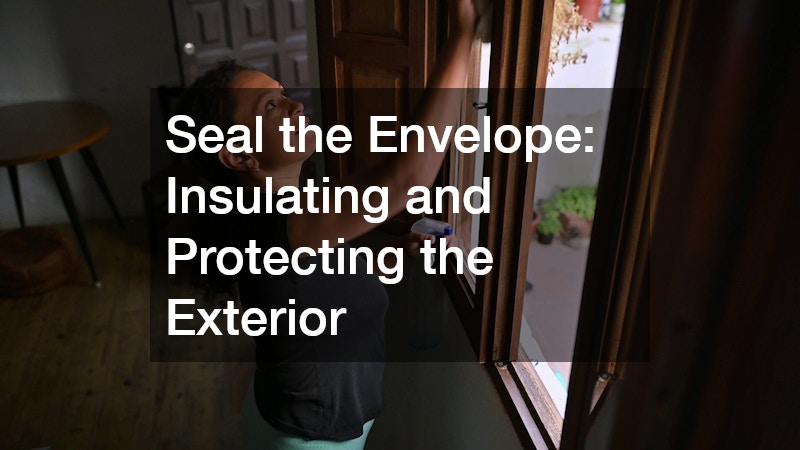
Think of your home as a thermal container. If the container has holes in it, it does not matter how efficiently your heating and cooling systems generate conditioned air; that air will rapidly escape into the atmosphere. Sealing the exterior envelope of your property is one of the most cost-effective ways to stabilize indoor temperatures and reduce the workload on your mechanical systems.
Drafts are often subtle. You might not notice a tiny gap around a window frame, but collectively, the air leakage in an unsealed home can equal the thermal loss of leaving a medium-sized window wide open all year round. Addressing these structural vulnerabilities stops the transfer of heat before it compromises your indoor comfort.
- Perform a Comprehensive Draft Audit: On a windy day, hold a lit incense stick or a thin tissue near windows, exterior doors, electrical outlets, and baseboards. If the smoke wafts horizontally or the tissue moves, you have identified an active air leak that needs attention.
- Apply High-Performance Sealants: Use exterior-grade silicone caulk to seal permanent gaps between window frames and siding. For operable parts of doors and windows, apply heavy-duty V-strip or foam weatherstripping to create a tight physical seal when closed.
- Mitigate the Attic Stack Effect: Warm air naturally rises. In the winter, it pushes upward into your attic, drawing cold air in through baseline gaps in your crawlspace. Ensure your attic hatch is insulated and sealed with weatherstripping to prevent this continuous thermal cycle.
While minor gaps can be fixed with a quick trip to the hardware store, older homes often suffer from systemic structural issues that require more permanent solutions. If your windows are single-pane or have failing internal seals that cause frequent condensation, investing in a complete window replacement can fundamentally alter your energy usage by introducing low-emissivity glass coatings that reflect radiant heat. Furthermore, if your exterior walls lack proper insulation, consulting a certified siding contractor can open up opportunities to install insulated house wraps and modern siding materials that add a continuous layer of thermal protection around your entire living space.
Streamline Your Water Systems: Heating and Flow Management
Water heating is typically the second-largest energy expense in a residential property, accounting for roughly 18% of total utility expenditures. Every time you wash dishes, run a cycle of laundry, or take a hot shower, your water heater draws a massive amount of energy to bring cold groundwater up to an adjustable temperature. Managing this system involves controlling both the speed at which water is consumed and the efficiency of the vessel heating it.
Over time, water heaters collect mineral deposits from local water supplies. This sediment settles at the bottom of the tank, creating a physical barrier between the heating element and the water. As a result, the system must run longer and hotter to penetrate the sludge, which degrades the metal tank and wastes substantial energy.
- Calibrate the Thermostat Downward: Factory settings for water heaters are often set to 140 degrees Fahrenheit by default. Lowering this internal setting to 120 degrees reduces standby heat loss, eliminates the risk of accidental scalding, and satisfies all domestic sanitation needs.
- Insulate Exposed Delivery Pipes: Wrap the first six feet of hot and cold water pipes leading out of your heating tank with pre-slit foam pipe insulation. This simple task preserves water temperature as it travels through cold walls, allowing you to lower the required temperature at the tap.
- Introduce Low-Flow Fixtures: Replace standard showerheads and faucet aerators with models certified by the EPA WaterSense program. These fixtures mix air into the water stream, maintaining high water pressure while reducing the total volume of hot water used by up to 30%.
To keep these systems running sustainably, you must stay on top of internal mechanics. Utilizing specialized water heater services annually will ensure that the internal anode rod—which attracts corrosive elements away from the tank walls—is functioning properly, and that the tank is fully flushed of efficiency-killing sediment. For broader system concerns, keeping a reliable plumbing company on retainer allows you to quickly address hidden leaks behind walls or underneath concrete slabs, preventing catastrophic water damage while eliminating the continuous utility waste associated with constant, unmonitored water loss.
Ensure Peak System Performance: Comprehensive Diagnostics and Flow Clearances
A home functions much like a human body; all its internal systems are interconnected. A restriction in one area inevitably causes strain somewhere else. To maintain true efficiency, homeowners must look past individual appliances and consider how smoothly resources move through the entire property. This involves analyzing airflow distribution networks and keeping internal drainage pathways free from obstructions.
Ductwork is a prime example of a hidden energy drain. The Department of Energy estimates that the typical home loses roughly 20% to 30% of the air moving through its duct system due to leaks, poor connections, and tears. This means a quarter of the money you spend to condition your air is leaking into unconditioned crawlspaces, attics, or wall cavities.
- Inspect Visible Duct Joints: Examine any accessible ductwork in your basement or attic. Look for loose sections, detached runs, or old, dried-out duct tape. Seal these joints using specialized mastic duct sealant or heavy-duty foil tape rather than standard cloth tape.
- Balance the Air Pressure: Avoid closing interior doors to unused rooms completely, as this disrupts the pressure balance of your central system. If you must close off a room, ensure it has a sufficient gap at the bottom of the door or a return vent to allow air to circulate back to the main system.
- Monitor Appliance Drainage Lines: Keep an eye on the condensation drain lines attached to your cooling systems and high-efficiency appliances. If these clear plastic tubes become cloudy or backed up with algae, clear them with a small amount of vinegar to prevent safety switches from shutting your system down unexpectedly.
Catching these deeply embedded problems requires precise diagnostic tools that go beyond the capabilities of a standard toolbox. Scheduling a routine hvac inspection provides you with a comprehensive look at your system’s operating static pressure, electrical draws, and airflow distribution metrics. At the same time, if your waste lines are sluggish or backing up, booking a professional drain cleaning service ensures that wastewater exits the property smoothly, minimizing the mechanical resistance and extra electricity consumed by sump pumps, garbage disposals, and automated appliance drainage pumps.
Upgrade the Foundations: Electrical and Structural Enhancements

The final stage of maximizing home efficiency involves optimizing the infrastructure that delivers power and supports daily movement. The way electricity flows into your home, along with the physical surfaces you walk on, plays a major role in how heat is absorbed, stored, and distributed throughout the day. Modernizing these underlying elements provides a stable foundation for all your other efficiency upgrades.
Every electronic device left plugged in can contribute to a phenomenon known as phantom load. Even when turned off, items like television sets, computer monitors, microwave clocks, and chargers continue to draw small amounts of current. Over a year, these tiny leaks can account for up to 10% of an average household electrical bill.
- Deploy Smart Power Strips: Plug entertainment centers and home office setups into advanced power strips that completely cut off electrical currents to secondary devices when the primary device is turned off or idle.
- Transition to Solid-State Lighting: Replace any remaining incandescent or halogen bulbs with energy-efficient LEDs. LEDs use at least 75% less energy and last up to 25 times longer, while also generating significantly less ambient heat during hot summer months.
- Leverage Passive Solar Heating: During winter months, open curtains on south-facing windows during the day to allow natural sunlight to warm your interior surfaces. Close them as soon as the sun goes down to lock that radiant warmth inside the house.
For structural upgrades, professional execution is essential for achieving a true return on investment. Engaging a licensed electrician can expose hidden electrical resistance in outdated wiring, eliminate fire hazards, and pave the way for modern, high-efficiency panel upgrades that integrate seamlessly with smart home automation and solar power installations. Additionally, evaluating your flooring options can transform how your home retains ambient energy; replacing thin, drafty carpets or uninsulated laminates with high-mass materials like tile, stone, or properly underlaid hardwood can radically improve the thermal retention of your living spaces, working in tandem with your climate control systems to maintain a stable, comfortable environment.
Achieving peak efficiency within your home is not an overnight task, nor is it a project with a definitive endpoint. It is an ongoing cycle of mindful observation, quick DIY fixes, and timely professional maintenance. When you commit to preserving the structural integrity and operational health of your home, the rewards extend far beyond lower monthly utility statements. You will experience more consistent indoor temperatures, improved indoor air quality, and the peace of mind that comes from knowing your home’s most expensive systems are protected against unexpected failures.
Do not allow yourself to be overwhelmed by trying to fix every minor inefficiency at once. Instead, approach your home systematically. Start by handling simple tasks this weekend, like changing out your old HVAC filters, lowering the temperature on your water heater, or applying a fresh bead of caulk around a drafty window frame. By taking ownership of these small details and establishing a regular schedule for advanced care, you will successfully transform your property into a highly efficient, sustainable sanctuary for years to come.