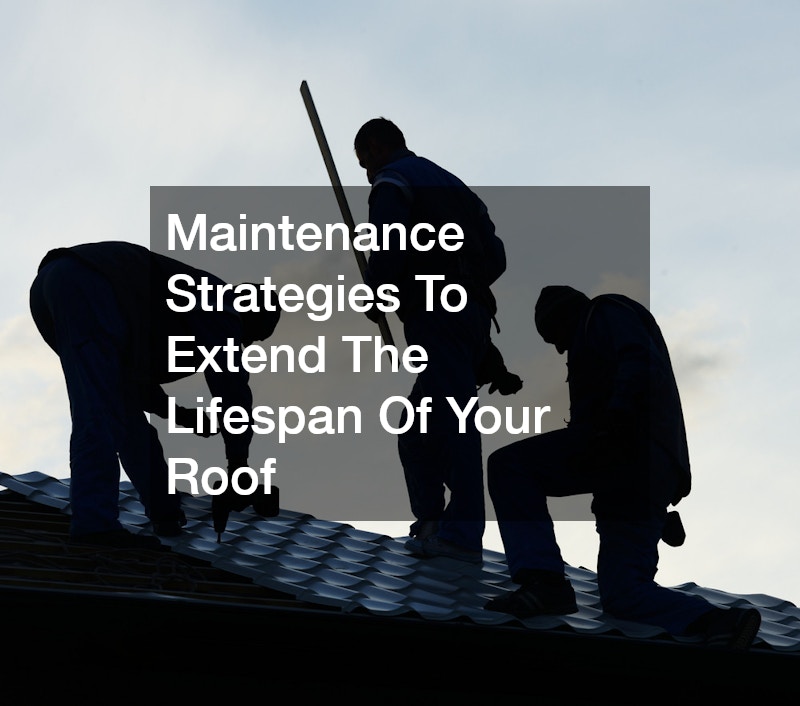
A house is usually the biggest investment you will ever make, and your roof is what protects that investment from the outside world. Day after day, it takes a beating from scorching sun, heavy rain, high winds, and freezing snow. Yet, because it is high above our heads, it is very easy to ignore until a puddle suddenly appears on the living room floor. By that time, you are already looking at water damage, potential mold growth, and a massive bill.
Replacing a roof is one of the most expensive home improvement projects a property owner can face. Fortunately, major structural failures do not happen overnight. They are usually the result of long-term neglect. By committing to a consistent, proactive care routine, you can catch minor issues early, maximize the performance of your building materials, and potentially double the lifespan of your current system. This comprehensive guide will walk you through the essential steps to keep your roof in peak condition for decades.
Keep the Flow Moving to Prevent Water Backups
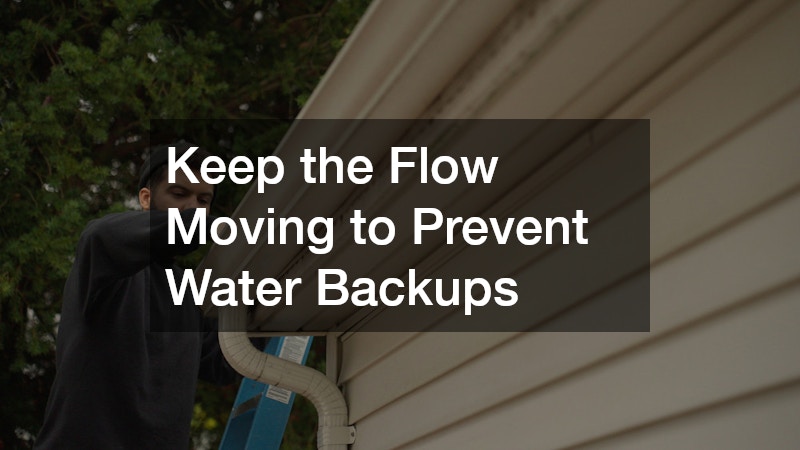
Water is the absolute number one enemy of your roof’s structure. When rain falls, your roof is designed to shed that water as quickly as possible, channeling it away from the building. If that water slows down or stops, it begins to pool. Standing water will eventually find even the tiniest microscopic gap in your shingles, wood decking, or underlayment, leading to hidden rot and structural weakness.
The drainage system at the edge of your roof line is the most critical component for preventing this standing water. When twigs, leaves, pine needles, and seed pods fall from nearby trees, they collect in the channels. Over time, this debris creates dense dams that trap moisture directly against the lower edge of the roof, known as the eaves. This is where a lot of expensive damage happens.
To prevent water from backing up under your shingles, follow these essential maintenance steps:
- Clean the channels twice a year: Make it a strict habit to clear out your gutters every spring and autumn. If your property is surrounded by dense trees, you may need to increase this to three or four times a year.
- Check the downspouts: Simply removing leaves from the top channels is not enough. Flush the downspouts with a garden hose to ensure water can travel completely down to the ground and away from your foundation.
- Inspect for sagging: Heavy debris can bend or pull the drainage channels away from the house. Make sure the brackets are tightly fastened and that the channels tilt slightly downward toward the downspouts.
- Look for leaks: Check the seams between sections while it is raining to make sure water is not dripping through the joints.
For many homeowners, climbing up a tall ladder to handle this dirty chore is simply too dangerous, especially on multi-story houses or homes built on uneven ground. If you do not feel completely safe or do not have the right equipment, it is always smart to look into professional gutter cleaning services to handle the job. Experts have the safety harnesses, specialized vacuums, and high-reaching tools to clear the system without damaging your siding or landscaping.
Protecting Exposed Hardware and Metal Elements
While many residential roofs are covered in asphalt shingles, almost every roof relies on metal components to stay watertight. Metal is used around chimneys, in the valleys where two roof sections meet, and around ventilation pipes. These metal barriers, called flashing, are designed to bridge the gaps where water is most likely to leak. If these metal pieces fail, the entire system fails.
The main threat to these components is oxidation, which leads to rust. When metal is exposed to oxygen and moisture for long periods, it begins to corrode. Rust makes the metal brittle and forms tiny holes that let water pass straight through into your attic.
- Check the sealants: Metal flashing is usually held in place with roofing nails and sealed with heavy-duty caulking. Over time, solar heat causes the metal to expand and contract, which can crack the caulk or back the nails out.
- Inspect the valleys: Roof valleys handle a massive volume of rushing water during a storm. If the metal lining in these valleys gets rough or rusty, it slows down the water and catches debris.
- Clear away wet leaves: Debris that sits on top of metal components holds moisture directly against the surface, accelerating the rusting process.
If your home features a modern metal roofing system instead of shingles, your maintenance focus will be slightly different. These systems are incredibly durable, but they still require attention. You must regularly inspect the panels for scratches that have cut through the factory paint. Any bare metal exposed to the elements will degrade quickly.
To prevent this, you can apply targeted rust-proofing coatings or specialized primer paints to any scratched areas or aging flashing points. Catching surface rust early and treating it with a protective sealant keeps the metal strong and stops corrosion before it can completely eat through the panel.
Spotting Small Warning Signs Before They Become Catastrophes

The secret to making your roof last for thirty years instead of fifteen is early detection. You do not want to wait for an active leak to tell you there is a problem. Instead, you should actively hunt for warning signs at least twice a year and immediately after any severe storm involving high winds or hail.
You do not necessarily have to climb up onto the steep slopes yourself to do a basic check. In fact, walking on a roof can actually damage fragile shingles and put you at risk of a dangerous fall. You can do a highly effective inspection right from the safety of the ground using a good pair of binoculars. Walk around the perimeter of your house and look closely at the slopes.
When conducting your visual inspection, keep a close eye out for these common warning signs:
- Missing or cracked shingles: High winds can catch loose shingles and tear them away, leaving the dark underlayment completely exposed to the sun and rain.
- Curling or cupping edges: When shingles get old or heat up due to poor attic ventilation, their edges curl upward, allowing wind-driven rain to blow right underneath them.
- Loss of granules: Asphalt shingles are coated in tiny, sand-like granules that protect them from ultraviolet light. If you see bald spots on your shingles or find piles of colorful sand in your downspouts, your protection is wearing thin.
- Exposed or popping nails: Nails that have backed out create a direct tunnel for water to enter your home.
If you find a few damaged shingles or a small section of cracked sealant around a vent pipe, you should schedule a minor roof repair right away. Replacing a handful of shingles or applying a fresh bead of specialized solar-resistant roofing cement is an inexpensive fix that takes very little time.
For the best results with these mid-season fixes, it helps to work with a qualified roofer who can safely navigate the high slopes. A professional can easily identify issues that an untrained eye might miss, such as micro-fissures in the rubber boots surrounding your plumbing vents or soft spots in the wood decking beneath the shingles. Fixing these minor issues immediately resets the clock on your roof’s lifespan.
Leveraging Expert Evaluations for Structural Longevity

While regular ground-level inspections and basic cleaning can be handled by a handy homeowner, a roof is a highly complex engineering system. It involves ventilation physics, thermal barriers, and complex structural weight distribution. Because of this complexity, you should have your roof evaluated by an expert every three to five years to ensure there are no hidden problems developing out of sight.
A professional evaluation goes deep beneath the surface. An expert will not just look at the top layer of shingles; they will also step inside your attic. They will check the underside of the wood roof deck for water stains, mold, or structural sagging. They will also measure the temperature and humidity levels in your attic to ensure your ventilation system is working correctly. If an attic gets too hot, it bakes the shingles from the inside out, cutting their lifespan in half.
When looking for professional help to conduct these deep structural audits, it is important to know who to call:
- Check licensing and insurance: Always verify that the company you hire holds current state licenses and comprehensive liability and workers’ compensation insurance to protect you from accidents.
- Look for manufacturer certifications: Many major shingle and metal manufacturers certify specific companies. Hiring a certified team ensures they know the exact technical specifications for your specific materials.
- Ask for a written report: A quality technician will provide a detailed physical assessment, complete with photos of any problem areas and a clear explanation of what needs attention.
By building a relationship with trusted roofing contractors, you gain access to specialized diagnostic tools, such as thermal imaging cameras that can find trapped moisture inside your walls before it causes visible damage. Furthermore, having a documented history of regular professional care makes it much easier to file successful insurance claims if your home is ever hit by major storm damage.
Working with a reputable roofing company for routine check-ups allows you to plan out minor maintenance expenses over time. Instead of being completely blindsided by a sudden crisis, you can keep your system running smoothly through planned, budget-friendly tune-ups.
Maximizing Value Over Your Roof’s Lifecycle

No matter how perfectly you maintain your home, every material has an absolute expiration date. Asphalt shingles generally last between twenty and thirty years, while wood shakes last around thirty, and metal can last fifty years or more. As your roof enters the final quarter of its expected lifespan, your maintenance strategy must shift toward long-term financial planning.
The goal during this final stage is to avoid pouring money into an unfixable asset. If your roof is twenty-five years old and constantly leaking in multiple different places, paying for individual patch jobs is no longer a smart investment. The wood decking underneath may be rotting away, which compromises the safety of your entire home. At this point, continuing to patch the surface is just throwing good money after bad.
When preparing for the eventual end of your roof’s lifecycle, consider these strategic steps:
- Evaluate the underlying structure: When the time comes, make sure the old materials are completely torn off down to the bare wood so any hidden structural rot can be repaired.
- Upgrade your ventilation: Use the transition as an opportunity to install advanced ridge vents or solar-powered attic fans to improve your home’s energy efficiency.
- Choose the right season: Schedule major structural work during dry, stable months to reduce the risk of rain damage while your house is exposed.
When you realize that minor repairs are no longer keeping the weather out, it is time to start researching professional roof replacement services in your area. Gathering quotes during a calm period gives you the time to compare material options, check references, and secure competitive financing rates without the pressure of an active emergency.
During this planning phase, remember that the quality of the final product depends entirely on the initial construction. The highest quality shingles in the world will fail in less than a decade if they are nailed down incorrectly or if the waterproof underlayment is wrinkled. Investing in a top-tier roofing installation from a highly skilled crew ensures that your next asset starts its life with the best possible foundation, setting you up for another thirty years of worry-free protection.
Conclusion
Extending the life of your roof does not require expert engineering skills or a massive budget. Instead, it requires consistency, awareness, and a willingness to act quickly when small warning signs appear. By keeping your drainage systems clear of debris, protecting your metal flashing elements from corrosion, and performing regular binocular inspections from the ground, you can stop the vast majority of common leaks before they ever start.
Remember that you do not have to do everything alone. Knowing when to handle a simple task yourself and when to call in a professional technician is a key part of smart home ownership. Routine professional inspections and timely minor repairs form a shield around your property, keeping your structure dry, your family safe, and your hard-earned money in your bank account. Take care of your roof, and it will take care of you for decades to come.