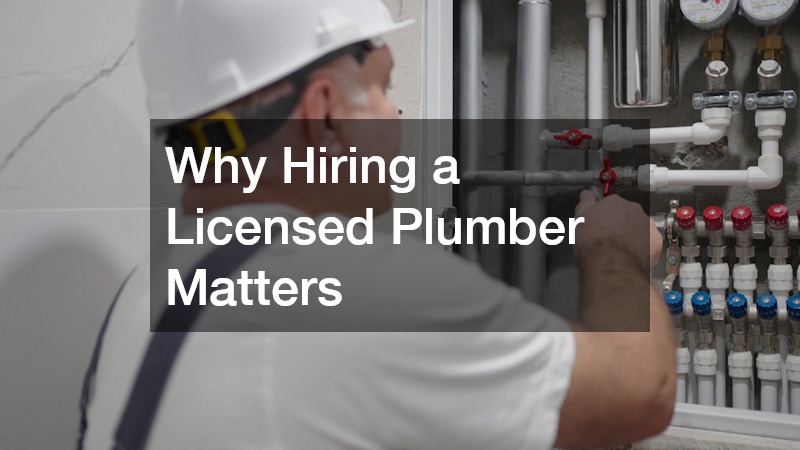
Plumbing systems are essential to daily life, supplying clean water, removing waste, and supporting appliances and fixtures throughout a home or commercial building. When something goes wrong, the quality of the repair directly affects safety, comfort, and long-term costs. While it may be tempting to hire the cheapest option or attempt a quick fix, plumbing mistakes can lead to leaks, water damage, code violations, and health risks. Hiring a licensed plumber ensures the work is done correctly, safely, and in compliance with regulations—protecting both your property and your investment.
What Is the Difference Between a Licensed and an Unlicensed Plumber?
A licensed plumber is a professional who has met state or local licensing requirements, which typically include formal training, hands-on experience, and passing comprehensive exams. These requirements are designed to verify that the plumber understands plumbing systems, building codes, and safety standards.
Unlicensed plumbers may have some practical experience, but they have not been formally evaluated or approved by a regulatory authority. Without licensing, there is no official verification of their knowledge, training, or competency. This lack of oversight introduces unnecessary risk for property owners.
Licensed plumbers bring a level of technical expertise that goes beyond basic repairs. Their training covers complex systems such as water supply lines, drainage, venting, gas lines, and advanced fixtures. They are also equipped to diagnose underlying issues that may not be immediately visible, preventing recurring problems. Unlicensed plumbers often rely on limited experience or trial-and-error approaches. While they may be able to handle minor tasks, they are more likely to miss code requirements or misdiagnose issues, leading to incomplete or unsafe repairs.
Plumbing work is governed by building codes and safety regulations designed to protect occupants and infrastructure. Licensed plumbers are legally required to follow these codes and stay updated on changes. Their work is subject to inspections and accountability. Hiring an unlicensed plumber can result in code violations, failed inspections, and fines. In some jurisdictions, property owners may also be held liable for permitting unlicensed work, especially if it leads to damage or injury.
How Does Hiring a Licensed Plumber Affect Quality and Safety?
Licensed plumbers are held to professional standards that prioritize quality and consistency. They use approved materials, follow proper installation methods, and complete work that meets or exceeds code requirements. This attention to detail results in repairs and installations that function properly and last longer. Quality workmanship also means fewer callbacks and less need for repeat repairs. Licensed plumbers understand how different components interact within a plumbing system, ensuring solutions address the root cause rather than just the symptoms.
Plumbing work involves potential hazards such as water pressure issues, gas leaks, contaminated water, and structural damage. Licensed plumbers are trained to identify and manage these risks safely. They follow established safety protocols to protect occupants, property, and themselves during repairs or installations. Unlicensed work increases the risk of unsafe conditions, including improper gas connections, backflow contamination, or hidden leaks that lead to mold growth. These risks can have serious health and safety consequences if not addressed correctly.
Reliability is one of the most significant advantages of hiring a licensed plumber. Properly installed and repaired plumbing systems perform better over time, reducing the likelihood of emergency breakdowns. Licensed plumbers also provide documentation and accountability for their work, which is valuable for future maintenance or property transactions. Over the long term, professional plumbing work contributes to system efficiency, water conservation, and overall property value. These benefits far outweigh the short-term savings of unlicensed labor.
How Does Hiring a Licensed Plumber Impact Cost?
Licensed plumbers may charge higher upfront rates than unlicensed alternatives, but the difference reflects training, insurance, and professional standards. Paying for quality work reduces the risk of premature failures, repeated repairs, and hidden damage that can escalate costs over time. In plumbing, low-cost solutions often result in higher total expenses. Quality workmanship delivers better value by ensuring durability and performance from the start.
One of the most expensive outcomes of unlicensed plumbing work is correcting mistakes. Improper installations can cause leaks behind walls, water pressure issues, or sewer backups that require extensive repairs. These problems may not surface immediately, but they often result in significant damage. Licensed plumbers prevent these issues by doing the job correctly the first time. Their experience allows them to anticipate potential problems and address them before they become costly emergencies.
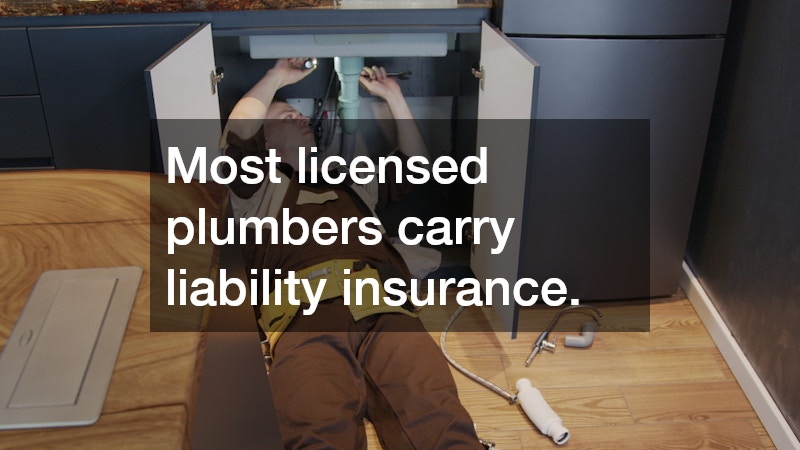
Most licensed plumbers carry liability insurance and, in many cases, workers’ compensation coverage. This protects property owners in the event of accidental damage or injury during the job. Unlicensed plumbers typically lack this coverage, exposing homeowners to financial liability. Additionally, many manufacturers’ warranties on fixtures and appliances require professional installation by a licensed plumber. Hiring an unlicensed individual may void these warranties, eliminating important protections.
Hiring a licensed plumber is a critical decision that affects quality, safety, and long-term cost control. Licensed professionals bring verified training, regulatory compliance, and accountability to every job, ensuring plumbing systems function safely and efficiently. While the upfront cost may be higher, the benefits—fewer repairs, reduced risk, and preserved warranties—make it a smart and cost-effective choice. For dependable results and peace of mind, choosing a licensed plumber is an investment in both your property and your safety.